Understanding Moisture and Condensation Problems on Interior Walls
Moisture and condensation can damage interior walls and paint. Learn common causes and why early detection matters.
HOMEOWNERS
1/20/20264 min read
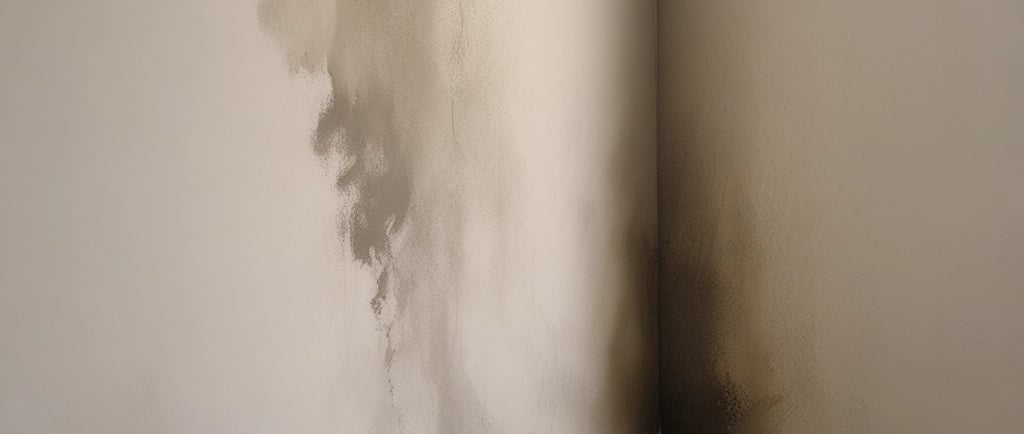
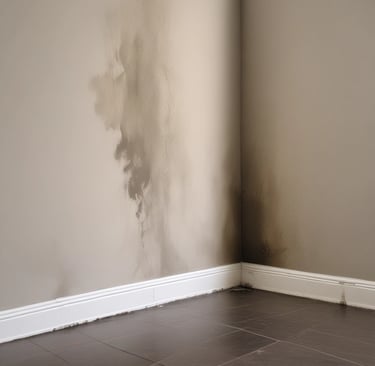
Introduction to Moisture Problems in Walls
Moisture problems in walls represent a significant concern for homeowners, manifesting through various means that often go unnoticed until substantial damage has occurred. At its core, moisture buildup refers to the accumulation of excess water within the wall structures of a property, which can arise from multiple sources.
This phenomenon typically originates from external conditions, such as rainwater infiltration, high humidity, or flooding, alongside internal factors such as improper ventilation or plumbing leaks. Understanding the intricacies of moisture accumulation is essential to addressing the potential risks it entails.
The relationship between humidity levels within a home and the risk of moisture problems is paramount. Elevated humidity levels can lead to condensation forming on interior surfaces, particularly in areas like bathrooms and kitchens where water usage is prevalent. When warm air laden with moisture encounters cooler surfaces, such as interior walls, it cools down and releases moisture.
This process contributes to potential issues like mold growth, deterioration of structural elements, and paint damage, which can compromise the aesthetic appeal of a dwelling and lead to costly repairs.
Moreover, allowing moisture problems to persist without intervention can have serious long-term effects on both health and property value. Prolonged exposure to damp environments may result in health complications for occupants due to the proliferation of mold and mildew, which can aggravate allergies and respiratory conditions. The integrity of building materials can also suffer, as untreated moisture can weaken wood, promote rusting in metals, and degrade insulation materials.
Thus, recognizing the early signs of moisture issues can empower homeowners to act swiftly, employing the necessary remediation methods to preserve both their health and their investment.
Causes of Condensation on Interior Walls
Understanding the causes of condensation on interior walls is essential for homeowners who wish to mitigate this issue effectively.
One of the primary factors contributing to condensation is the temperature difference between indoor surfaces and the air within a room. When warm, moist air comes into contact with cooler walls, especially during colder months, the air can cool to a temperature where it can no longer hold all its moisture. This results in the formation of water droplets on the surface of the wall, leading to condensation.
Additionally, inadequate ventilation in a property may exacerbate the problem of condensation. Spaces that are poorly ventilated trap moisture in the air, which can then condense on cooler surfaces. This is particularly common in rooms such as kitchens and bathrooms, where moisture is inevitably produced from cooking or bathing. Ensuring that these areas are equipped with adequate ventilation, such as exhaust fans, can significantly reduce humidity levels and thus the likelihood of condensation.
Another critical factor to consider is high indoor humidity levels. Various activities, such as showering, cooking, and even breathing, can contribute to increased moisture in the air. Homes that lack dehumidifiers or proper humidity management systems may find that the humidity rises significantly, pushing the levels above what the air can comfortably hold. This, in turn, leads to condensation on walls. Common environments where these issues manifest include basements and crawl spaces, which often lack adequate airflow and can be more susceptible to high humidity and temperature differentials.
By identifying these causes, homeowners can take practical steps to reduce condensation on their interior walls, ensuring a healthier living environment.
Consequences of Humidity Issues in the Home
The presence of humidity in a home often leads to numerous consequences that can significantly impact the well-being of its inhabitants and the integrity of the property.
One of the primary concerns associated with high levels of humidity is the formation of condensation on interior walls. When warm air meets cooler surfaces, moisture accumulates, providing an ideal breeding ground for mold and mildew. These organisms thrive in damp conditions and can proliferate rapidly, posing serious health risks to residents.
Exposure to mold spores and mildew can lead to a variety of health issues, particularly for individuals with pre-existing respiratory conditions or weakened immune systems. Common symptoms include coughing, sneezing, skin irritations, and even more severe reactions such as asthma attacks or chronic sinusitis. In children and the elderly, susceptibility to these health risks may be heightened, thus underscoring the importance of controlling indoor humidity levels.
Moreover, persistent moisture problems can lead to significant structural damage within a home. Over time, condensation can weaken building materials, such as wood beams and drywall, potentially requiring costly repairs or replacements. The longer humidity issues persist, the greater the risk to the structural integrity of the property, which may compromise safety and result in decreased property value. Additionally, excessive humidity can affect indoor air quality by fostering the growth of bacteria and dust mites, further exacerbating respiratory health concerns.
Therefore, it is essential for homeowners to address humidity problems proactively. Regular inspection and maintenance of moisture-prone areas, combined with the effective use of dehumidifiers and proper ventilation, can mitigate the adverse effects of humidity.
Taking such measures not only safeguards health but also preserves the home’s value and livability.
Solutions and Prevention Tips for Moisture Control
Moisture problems and condensation on interior walls can lead to significant issues, including mold growth and structural damage. However, there are effective solutions and preventative strategies that homeowners can implement to address these concerns.
One primary method for controlling moisture is to enhance ventilation within the living spaces. Opening windows, utilizing exhaust fans in high-moisture areas like bathrooms and kitchens, and considering mechanical ventilation systems can improve air circulation, reducing humidity levels.
Another effective approach is the use of dehumidifiers.
These devices extract excess moisture from the air, which can notably lower humidity levels, especially in areas prone to dampness. Setting up dehumidifiers in basements or other frequently humid rooms can greatly assist in maintaining a healthy indoor environment. Moreover, it is crucial to ensure that windows and doors are properly sealed. Checking for gaps or cracks and using weatherstripping can help keep unwanted moisture out and maintain temperature control.
Regular maintenance checks are essential in the fight against moisture issues. Homeowners should routinely inspect areas of potential leaks, such as roofs and plumbing. Addressing any leaks or water intrusion promptly can prevent further damage and mold growth. Additionally, ensuring that gutters are clean and directing water away from the foundation minimizes the risk of water accumulation around the home.
Implementing these solutions and being proactive about moisture control can significantly enhance indoor air quality and the longevity of one's home.
By combining improved ventilation, the use of dehumidifiers, thorough sealing of openings, and maintaining diligent oversight through regular checks, homeowners can not only remedy existing moisture problems but also prevent future occurrences effectively.
ConforX
Personalized interior painting and thermal imaging services in Valencia, Spain
Phone / WhatsApp
Interior Painting
Wall Surface Preparation & Minor Repairs
Thermal Imaging Inspections
© 2026. ConfortX . All rights reserved.
SERVICES
info@conforx.es
+34 692525330
QUICK LINKS
LEGAL