How Climate Affects Interior Painting Results
Climate and humidity influence how interior paint performs. Learn how warm environments affect painted surfaces.
HOMEOWNERS
1/20/20264 min read
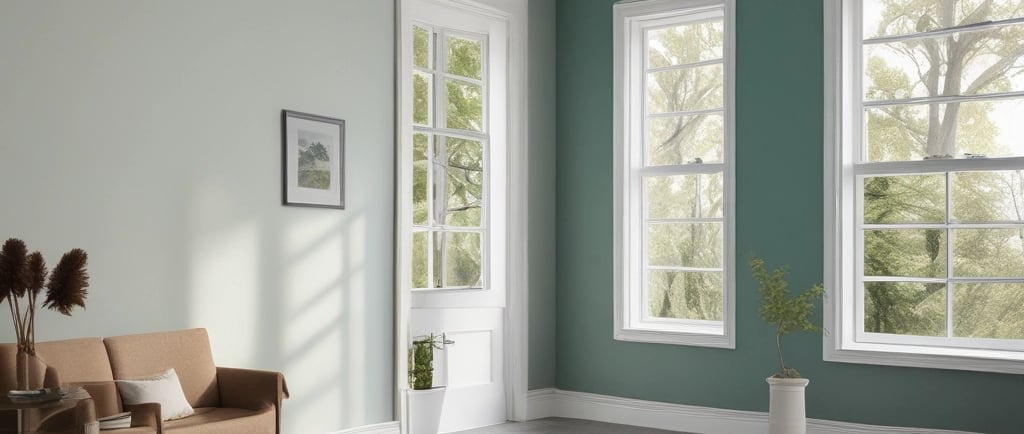
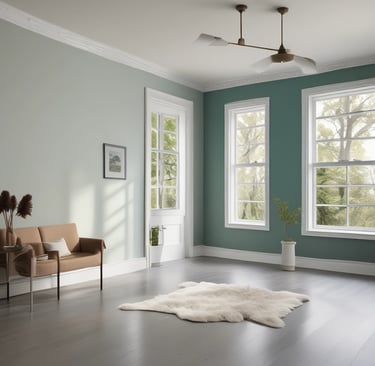
Understanding Climate's Influence on Interior Painting
Climate is a complex interplay of various atmospheric conditions that significantly influence numerous processes, including the application of interior paint. Key factors within this dynamic include temperature, humidity, and air pressure. Each of these elements plays a crucial role in how paint adheres to surfaces and subsequently dries, which can ultimately determine the overall quality and longevity of a paint job.
Temperature, for instance, can greatly alter the viscosity of paint. In cooler environments, paint tends to thicken, making it harder to apply smoothly. Conversely, extreme heat can cause paint to dry too quickly, leading to undesirable finishes such as cracking or peeling. This sensitivity emphasizes the importance of monitoring temperature before and during the painting process. Ideal interior painting conditions generally lie within a moderate temperature range, typically between 50°F to 85°F (10°C to 30°C).
Humidity is another critical factor that affects interior painting outcomes. High humidity levels can prolong the drying time of paint, which may lead to issues such as runs and sags. On the other hand, very low humidity can cause the paint to dry too rapidly, risking uneven applications or poor adhesion. Maintaining optimal humidity levels, ideally between 40% and 60%, is essential for achieving a smooth, professional-looking finish.
Air pressure also impacts paint application. In areas of high pressure, the air density can affect the atomization process during spray applications, potentially leading to a less consistent spray pattern. Furthermore, air pressure changes can influence drying times and may require adjustments in application strategies.
Understanding the influence of these climatic factors is crucial for achieving optimal results in interior painting. Proper preparation and planning, taking into account the specific climate conditions, can lead to a successful paint job that meets desired aesthetic and durability standards.
Challenges Posed by Humidity in Interior Painting
High humidity levels present significant challenges during the process of interior painting.
Humidity refers to the amount of moisture content in the air, and when it is elevated, it can lead to various complications that affect paint application and finish quality.
One of the primary issues associated with high humidity is its detrimental impact on paint adhesion. When humidity levels rise, moisture can become trapped between the surface and the paint, preventing the paint from properly adhering. This separation may lead to issues such as peeling or flaking, which can compromise the durability and aesthetic of the paint job.
Additionally, prolonged drying times are a common consequence of painting in humid conditions. Paint relies on evaporation to dry effectively. In a humid environment, the air is saturated with moisture, thereby slowing down this evaporation process. The longer drying times can lead to unintended smudges and dust contamination, ultimately diminishing the overall quality of the finish.
Moreover, high humidity can give rise to several paint-related problems, including blistering and mold growth. Blistering occurs when trapped moisture beneath the paint surface expands, causing bubbles to form. Similarly, mold may grow on the painted surfaces if the environment is not adequately controlled. This growth not only affects the appearance of the paint but can also pose health risks to occupants of the space.
To mitigate these challenges, it is crucial to monitor humidity levels before and during the painting process.
Using a dehumidifier can help lower moisture in the air, improving paint adhesion and reducing drying times. It is also advisable to choose paints that are specifically formulated to perform well in high humidity conditions. By taking these precautions, one can significantly enhance the outcomes of interior painting projects, ensuring a lasting and appealing finish.
Navigating Warm Climates for Successful Interior Painting
Painting in warm climates presents unique challenges that can significantly impact the quality of the finished product. High temperatures can accelerate the drying process of paint, which, although may seem beneficial, often leads to inadequate time for proper application.
This quick drying can result in lap marks, visible brush strokes, and an overall uneven finish. To mitigate these issues, it is essential to understand the implications of warm weather on the painting process and select appropriate strategies.
Choosing the right type of paint is crucial when working in high-temperature environments. Opt for paints labeled as low-VOC (volatile organic compounds) or specially formulated for hot conditions, as they tend to have better adhesion and drying properties in elevated temperatures. Additionally, selecting paints with a longer open time can allow for better blending and a smoother finish.
It is advisable to avoid painting during the hottest parts of the day, typically between 10 a.m. and 4 p.m. Instead, consider scheduling your painting tasks for the early morning or later in the afternoon, when temperatures are cooler.
Moreover, keeping the interior space well-ventilated is critical in warm climates. Good airflow can help regulate temperature and humidity, enhancing the paint’s curing process. To further aid in achieving optimal results, it can be beneficial to use fans or dehumidifiers during application.
Finally, always ensure that surfaces are properly prepared before painting; this includes cleaning, sanding, and priming as necessary to ensure better paint adhesion and longevity.
Best Practices for Interior Painting in Varying Climates
Successfully navigating interior painting projects in different climates requires careful consideration of several factors. Homeowners and professional painters must adapt their approach based on the specific environmental conditions they encounter.
To ensure optimal results, here are several best practices to follow.
1. Timing Your Project: The timing of your interior painting project can significantly impact its outcome. In humid climates, it is advisable to wait for dry seasons, as moisture in the air can prolong drying times and affect paint adhesion. Conversely, in dry climates, homeowners should be cautious about painting during extreme temperatures, which can cause rapid drying and lead to undesirable finish defects. Always check local weather forecasts and select days with mild temperatures and low humidity for the most effective results.
2. Selecting the Right Materials: Material selection is crucial for successful interior painting. Opt for paints formulated to withstand local climate conditions. For instance, in high-humidity areas, consider using mildew-resistant paints that inhibit mold growth. On the other hand, in dry climates, look for paints that provide flexibility to prevent cracking. Additionally, high-quality primers ensure better adhesion and coverage, which can be particularly important in extreme temperatures.
3. Environmental Considerations: Pay attention to the indoor environment where painting will take place. Ensure proper ventilation to aid in drying and minimize paint fumes, especially in warmer months when windows can be opened. Be mindful of airflow within the space, as this can also affect drying times. Furthermore, it is beneficial to test surface temperatures to ensure they are conducive to painting, avoiding direct sunlight whenever possible during application.
By following these best practices, homeowners and painters can better adapt to varying climates and achieve stunning interior finishes that stand the test of time.
ConforX
Personalized interior painting and thermal imaging services in Valencia, Spain
Phone / WhatsApp
Interior Painting
Wall Surface Preparation & Minor Repairs
Thermal Imaging Inspections
© 2026. ConfortX . All rights reserved.
SERVICES
info@conforx.es
+34 692525330
QUICK LINKS
LEGAL