What to Expect During an Interior Painting Project
Understand the typical steps involved in an interior painting project, from preparation to final review.
HOMEOWNERS
1/20/20264 min read
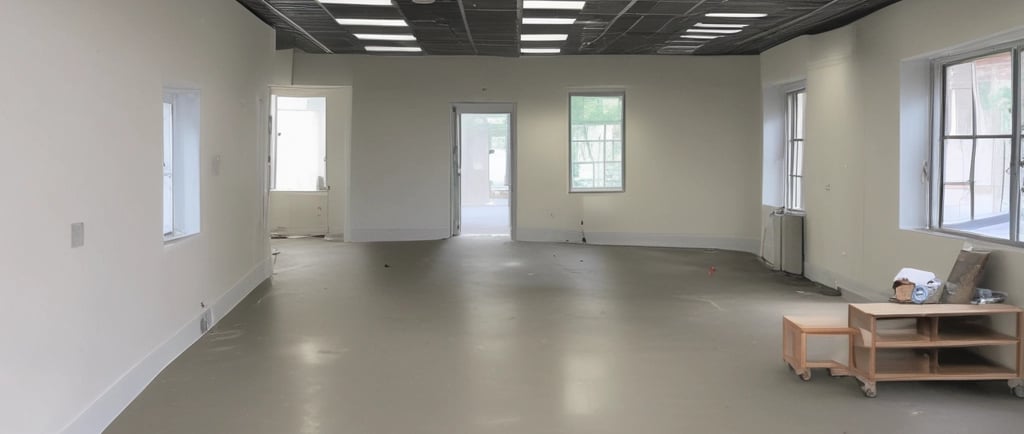
Understanding the Interior Painting Process
Embarking on an interior painting project necessitates a comprehensive understanding of the various stages involved.
The successful execution of this task typically involves four key phases: assessment, preparation, painting, and finishing. Each of these stages holds significant importance in ensuring that the final outcome meets the homeowner's expectations and enhances the aesthetic appeal of the living space.
The first stage, assessment, serves as the groundwork for the entire project.
During this phase, homeowners evaluate the condition of the existing walls and surfaces, identifying any imperfections that may require repairs. It is also an opportune moment to consider the desired color palette and finishes that will complement the home’s overall design. Choosing the right colors is crucial, as they can influence the mood of a room and the perceived size of the space.
Following the assessment, the preparation stage involves a thorough cleaning of the surfaces to be painted and the application of primers if necessary. This step is crucial for achieving a smooth, durable finish. Proper preparation may also include moving furniture, covering floors, and taping edges to prevent paint from splattering on unwanted surfaces.
The painting stage is where the actual transformation occurs.
Homeowners have the option to employ professional painters or undertake the task themselves, depending on their confidence and skill level. Applying multiple coats may be required for vibrant colors or to ensure complete coverage. Finally, the finishing touches—including the application of sealants or varnishes—conclude the interior painting process, adding depth and durability to the newly painted surfaces.
Each phase of the interior painting process is integral to achieving a successful and visually appealing result. Homeowners should remain engaged throughout, making informed decisions that align with their vision for their living space.
Professional Painting Steps
Undertaking an interior painting project involves several critical steps, which professional painters follow to ensure a high-quality finish.
The first step is thorough preparation. This involves assessing the condition of walls and surfaces that require painting. Effective preparation includes cleaning surfaces to eliminate dust and debris that could hinder paint adhesion. Additionally, any imperfections such as holes, cracks, or dents are patched using suitable fillers, ensuring a smooth surface for painting.
Once the walls are prepared, the next phase involves priming. Priming is crucial as it enhances paint adhesion, blocks stains, and provides a uniform base for the topcoat. Professional painters select high-quality primers that suit the particular surface and the type of paint being used. This step is particularly important for surfaces with significant color changes or previous stains.
After priming, the actual painting process begins. Professionals typically use a variety of tools to ensure a sleek and polished finish. Brushes, rollers, and sprayers are common equipment. The choice of tool depends on the size of the area to be painted and the desired finish. For instance, rollers are often used for large wall areas, while brushes are preferred for detailed edges and corners.
Application techniques also play a significant role in achieving a smooth finish. Painters may employ methods such as 'cutting in'—the process of painting corners and edges first with a brush, followed by rolling the larger surfaces. Following the paint application, professionals often inspect the results for any drips or uneven areas, addressing them promptly.
By meticulously following these steps, professional painters ensure that the final outcome meets high standards of quality and durability.
Common Challenges and Solutions in Home Repainting
Embarking on an interior painting project in your home can often seem straightforward; however, various challenges may arise during the process.
One significant issue is related to the texture of the walls. Uneven surfaces, such as those with peeling paint or wallpaper residue, can hinder paint adhesion. To alleviate this, homeowners should prepare the walls thoroughly by scraping off any loose material and applying a suitable primer that addresses surface imperfections, ensuring a smooth base for paint application.
Another common obstacle experienced during home repainting is unexpected paint drying times.
Factors such as humidity, temperature, and ventilation can significantly influence how quickly paint dries. To overcome this, it is advisable to check the manufacturer's recommendations regarding drying times. Additionally, maintaining a consistent room temperature and ensuring good air circulation can expedite the drying process, enhancing the overall efficiency of your project.
Color mismatches can also pose a challenge, particularly if you are attempting to match an existing hue. This situation often arises when colors appear different under varying lighting conditions. To avoid this potential setback, it is essential to test paint samples in different areas and lighting situations in your home before making a final decision. Purchasing paint from the same batch can also ensure consistency in color, which is a common practice among professionals to maintain uniformity throughout the project.
Lastly, coordinating schedules for a repainting project can be tricky, especially if you're working with professional painters. Effective communication regarding timelines and expectations will help ensure the project runs smoothly. By proactively addressing these common challenges, homeowners can navigate their interior painting projects with greater confidence and satisfaction.
Tips for a Successful Interior Painting Project
Embarking on an interior painting project requires thoughtful planning and execution to ensure the best results. To start, selecting the right painter is crucial.
Homeowners should look for professionals with solid references, relevant experience, and a portfolio demonstrating their past work.
Assessing multiple quotes can provide insight into pricing and services while helping to identify painters who are experienced in residential projects. Once the right team is selected, proper preparation of the space is vital to facilitate a smooth painting process.
Begin by clearing the room of furniture or covering it with drop cloths to shield it from paint splatters.
Next, ensure that the walls are clean, dry, and free from any imperfections. Filling in holes and sanding rough patches will create a smooth surface for the paint to adhere to, thereby enhancing the overall finish.
Maintaining cleanliness during the painting project is also essential. Establishing a designated area for the painting materials can prevent clutter.
Regularly check for paint spills and splatters, addressing them immediately to minimize mess and ensure a tidy environment. Having a dedicated cleaning schedule, which includes cleaning brushes and tools promptly, can also ensure that the process remains organized.
Effective communication with the painting team is another cornerstone of a successful project.
Clearly discussing expectations, timelines, and any specific preferences regarding color schemes can prevent misunderstandings. Homeowners should feel encouraged to ask questions and share concerns throughout the project, providing feedback as needed to ensure satisfaction with the results.
ConforX
Personalized interior painting and thermal imaging services in Valencia, Spain
Phone / WhatsApp
Interior Painting
Wall Surface Preparation & Minor Repairs
Thermal Imaging Inspections
© 2026. ConfortX . All rights reserved.
SERVICES
info@conforx.es
+34 692525330
QUICK LINKS
LEGAL