Interior Painting Mistakes That Lead to Rework
Avoid common interior painting mistakes that cause premature wear and rework. Preparation is key.
HOMEOWNERS
1/20/20264 min read
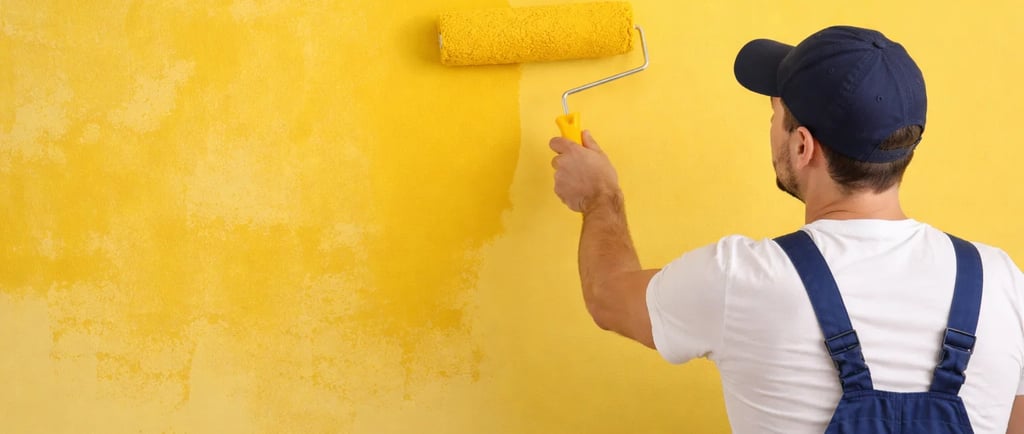
Common Painting Mistakes to Avoid
When embarking on an interior painting project, several common mistakes can hinder the process and lead to disappointing results.
One significant error is selecting the incorrect type of paint for the specific area being treated. Various rooms serve different purposes, and the paint must reflect these functions. For example, kitchens and bathrooms require paint that can withstand moisture, whereas living rooms may benefit from a matte finish for aesthetic purposes. Choosing the wrong paint can not only affect the visual appeal but also necessitate rework due to issues such as peeling or chipping over time.
Another frequent mistake involves the neglect of primer application.
Primer serves as a foundation that ensures better paint adherence and color accuracy. Skipping the primer phase can result in uneven color saturation and may lead to the necessity of multiple paint layers, increasing time and cost. Furthermore, using low-quality supplies, such as brushes and rollers, can significantly impact the painting outcome. Poor-quality tools may leave unsightly brush marks or uneven textures on the walls, again creating the need for future repainting.
Additionally, many overlook the significance of room lighting when selecting paint colors.
Natural and artificial light can alter the perception of color, which can cause the paint to appear differently once applied. It is advisable to test paint samples in the specific lighting conditions of the room before making a final decision. By considering these factors, homeowners and painters can avoid common pitfalls that lead to dissatisfaction and the inconvenient need for rework.
The Importance of Proper Wall Preparation
Proper wall preparation is a fundamental step in achieving a professional-looking paint job.
Before the first brushstroke is applied, several critical processes must be followed to ensure the walls are ready for the paint. These steps not only enhance the appearance of the final product but also extend the lifespan of the paint application.
Initially, cleaning the walls is essential. Dust, dirt, and grease can significantly affect how paint adheres to the wall surface. A thorough cleaning using a mild detergent can remove these contaminants and create a suitable surface for painting. Neglecting this step may result in peeling or chipping paint that detracts from the overall finish.
Next, inspecting the walls for any damages such as cracks or holes is vital. Repairing these issues with suitable fillers ensures a smooth and even surface. Failing to address these imperfections can lead to uneven textures, causing the paint to appear blotchy. Additionally, sanding surfaces is necessary to smooth out rough areas and create a uniform texture. This step helps the paint to adhere better, further minimizing the risk of premature wear or damage.
Another crucial component of wall preparation is the application of primer. Primer serves as a base layer that not only enhances paint adhesion but also improves the final color and finish. Skipping this step may lead to blotchy or uneven colors, particularly when painting over previously dark or patterned surfaces. Furthermore, primer helps to seal the wall, preventing issues such as moisture infiltration and mold growth.
In summary, investing time and effort into wall preparation can prevent costly rework and ensure a high-quality finish. By meticulously cleaning, repairing, sanding, and priming the walls, the likelihood of undesirable outcomes—such as peeling paint or blotchy finishes—greatly diminishes, resulting in a stunning paint job that endures over time.
Identifying Repainting Problems
After completing an interior painting project, homeowners may encounter a variety of issues that prompt the need for touch-ups or even a complete repaint.
One common problem is uneven color distribution, often resulting from inadequate mixing of the paint or applying varying levels of pressure with a roller. When the paint is not thoroughly mixed, it can dry with inconsistent shades, leading to areas that are either darker or lighter than intended. To remedy this, it is advisable to properly mix the paint before application and consistently employ the same technique throughout the project.
Another frequent issue is the presence of roller marks, which occur when the paint does not spread smoothly across the surface. This can be attributed to the use of low-quality rollers or incorrect application techniques, such as overworking the paint. To mitigate roller marks, it is essential to use the appropriate roller nap for the surface texture and to apply the paint in even strokes, ensuring that each section is blended into the next while still wet.
Drip stains are yet another problem that homeowners may discover post-painting.
These unsightly marks can occur when too much paint is applied in a single stroke or when the paint is poured excessively. To prevent drips, it is critical to load the brush or roller with the right amount of paint and to watch for any excess pooling. Should drips occur, they can be corrected by carefully sanding the area once dry, followed by a touch-up application of paint.
By actively recognizing these common issues and understanding their root causes, homeowners can ensure a higher quality finish and avoid the inconvenience of extensive rework, saving both time and resources in the long run.
Tips for a Successful Interior Painting Project
Undertaking an interior painting project requires careful planning and execution to ensure a professional finish and to avoid common mistakes that can lead to costly rework.
The first essential tip is to select quality materials. Choosing high-grade paints and brushes that are suitable for the specific surfaces being painted can dramatically improve the outcome. Quality paints offer better coverage and durability, often requiring fewer coats and thus saving time and resources in the long run.
Preparation is another critical step that cannot be overlooked.
Take the time to thoroughly clean the surfaces and, if necessary, patch any holes or imperfections. Sanding the surfaces before painting is also recommended to enhance adhesion. Moreover, applying a primer when shifting paint types or covering dark colors with lighter ones creates a uniform base that contributes to a smooth finish.
When it comes to the actual painting process, using the right techniques is key.
Start by cutting in around the edges with a brush and then use a roller for the larger areas. This method helps minimize brush strokes and helps achieve a consistent texture throughout. Furthermore, it is advisable to work in sections, allowing each area to dry before moving on to the next, which helps prevent overlapping marks.
Finally, understanding the importance of patience and time management is crucial. Rushing through a painting project can lead to mistakes such as uneven surfaces, drips, or inadequate coverage. Allow ample drying time between coats and avoid tackling the project when time is limited.
A well-executed plan and a patient approach will help you achieve a flawless finish.
ConforX
Personalized interior painting and thermal imaging services in Valencia, Spain
Phone / WhatsApp
Interior Painting
Wall Surface Preparation & Minor Repairs
Thermal Imaging Inspections
© 2026. ConfortX . All rights reserved.
SERVICES
info@conforx.es
+34 692525330
QUICK LINKS
LEGAL