What Thermal Imaging Can Reveal Inside Your Home
Thermal imaging helps reveal hidden moisture, heat loss, and insulation issues inside homes.
THERMAL IMAGING & PREVENTION
1/20/20264 min read
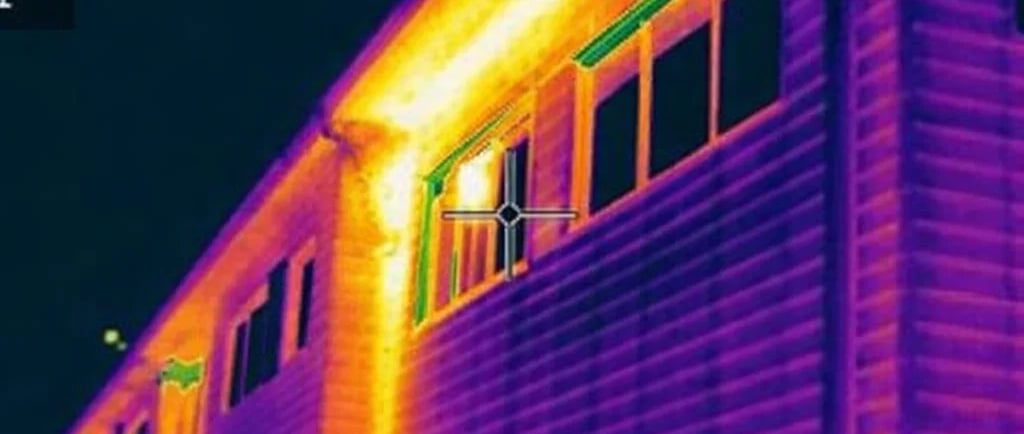
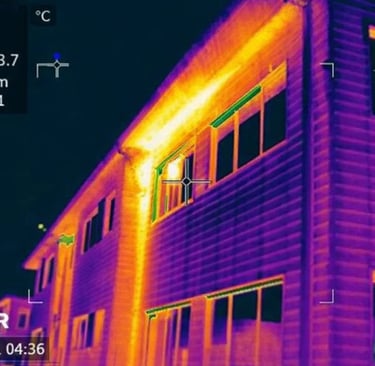
Understanding Thermal Imaging Technology
Thermal imaging technology is a sophisticated method that operates by capturing infrared radiation emitted by objects and surfaces.
Unlike traditional cameras that rely on visible light to create an image, thermal cameras detect heat variations, presenting them as a thermal map. This technology is rooted in the principles of thermography, which studies the temperature distribution of an object. Infrared radiation, which is invisible to the naked eye, is emitted by all objects based on their temperature; thus, the warmer an object is, the more infrared radiation it emits.
When a thermal camera scans an area, it interprets these variations in infrared radiation and translates them into a grayscale or colored image, where warmer areas appear as lighter shades or different colors, depending on the camera settings. This visual representation allows for easy identification of temperature differences that could indicate potential issues within a home.
One of the significant applications of thermal imaging is in home inspections.
By utilizing this technology, inspectors can detect moisture intrusion, air leaks, insulation deficiencies, and electrical hot spots that may not be visible through conventional inspection methods. For instance, an area of a wall that appears cooler could suggest persistent moisture, leading to mold growth if left unaddressed. Furthermore, thermal imaging can help in identifying inefficient heating and cooling systems within a property, allowing homeowners to address energy loss and significantly improve overall comfort.
In conclusion, thermal imaging technology offers valuable insights into the physical attributes of a home.
By providing an effective means to visualize heat, it reveals hidden issues that otherwise may not be detected. The use of thermal imaging is an essential tool for homeowners and inspectors alike, ensuring that potential problems are identified and rectified promptly.
Benefits of Thermal Imaging for Home Inspections
Thermal imaging has revolutionized the process of home inspections by enabling inspectors to identify hidden issues within a property that may not be visible to the naked eye.
One of the primary benefits of utilizing thermal cameras during home inspections is their ability to detect moisture intrusion. Water damage can lead to severe structural issues and mold growth if left unnoticed. Through thermal imaging, inspectors can pinpoint areas of moisture accumulation, allowing homeowners to address these problems early, thus saving significant repair costs in the long run.
In addition to moisture detection, thermal imaging also excels at identifying electrical problems. Overheating electrical circuits can be a sign of underlying issues that, if unresolved, may lead to fires or extensive damage. Utilizing thermal cameras, inspectors can analyze thermal patterns and identify hot spots in wiring systems, enabling timely intervention to prevent potential hazards.
Furthermore, thermal imaging is beneficial for assessing insulation deficiencies within a home. Poor insulation often results in energy loss, leading to higher utility bills. By employing thermal cameras, inspectors can detect temperature variations on walls and ceilings, highlighting areas where insulation may be lacking. This diagnostic capability not only assists homeowners in enhancing energy efficiency but also contributes to a more comfortable living environment.
For instance, a home inspection utilizing thermal imaging could reveal a heat signature around a window frame, indicating possible air leaks due to improper sealing. Such discoveries warrant immediate attention, as they can lead to increased energy expenses and decreased living comfort.
Overall, the integration of thermal imaging into home inspections provides an invaluable service, ensuring that potential issues are identified and addressed before they escalate into costly repairs.
Common Hidden Issues Revealed by Thermal Imaging
Thermal imaging technology is a powerful tool that can uncover various hidden issues within your home, allowing for proactive maintenance and repair.
One significant application of thermal imaging is the detection of leaks behind walls. These unnoticed leaks can lead to mold growth, structural damage, and increased energy costs. Utilizing a thermal camera, professionals can identify the cooler temperatures associated with moisture accumulation, pinpointing the location and severity of the leak without invasive procedures.
Another common issue that thermal imaging can reveal is insulation problems. Insufficient or damaged insulation can drastically affect your home’s energy efficiency. Through thermal imaging, variations in temperature across surfaces can indicate areas where insulation is compromised, allowing homeowners to address the issue before experiencing significant energy loss and higher utility bills.
Electrical safety is crucial in any household, and thermal imaging plays an essential role in identifying overheating electrical components. This overheating can indicate faulty wiring, loose connections, or overloaded circuits, potentially leading to fire hazards. By scanning electrical panels and outlets, thermal cameras can highlight areas of concern, enabling timely intervention and enhancing household safety.
Moreover, pest infestations can sometimes remain undetected until extensive damage has occurred. Thermal imaging can be utilized to identify the heat signatures generated by pests, such as rodents or insects, especially within structural elements where they may hide.
Detecting these pests early can prevent further damage and costly remediation efforts, ensuring a safer living environment.
Choosing a Qualified Professional for Thermal Imaging Home Inspections
When considering thermal imaging home inspections, it is crucial to select a qualified professional who can provide accurate and comprehensive evaluations of your property. The effectiveness of the inspection can greatly depend on the expertise and equipment of the inspector.
One of the primary factors to consider is the certifications the inspector holds. Look for professionals who are certified by recognized organizations, such as the Infrared Training Center or the National Institute for Certification in Engineering Technologies. These certifications ensure that the professional has undergone rigorous training in thermal imaging technology and has a thorough understanding of thermal dynamics.
Experience is another key element in selecting a thermal imaging inspector. A professional with ample field experience is more likely to spot potential issues effectively. It is advisable to inquire about the number of inspections they have performed and their specific experience in residential thermal imaging. A seasoned inspector will not only identify areas of concern but will also provide valuable advice on necessary remediation measures based on their findings.
Furthermore, the quality and type of equipment used for thermal imaging are essential. Inspectors should use high-resolution thermal cameras and other advanced tools that can capture precise temperature variations. Prior to hiring, ask about the tools they utilize and ensure they are up-to-date with current technologies, as thermal imaging capabilities evolve rapidly.
Lastly, reviewing a thermal inspection report can provide insight into the inspector's thoroughness. An effective report should include clear visuals, detailed explanations, and issues identified during the inspection along with recommendations for follow-up actions. This will help you understand the condition of your home better and empower you to take necessary steps.
By considering these aspects, homeowners can confidently choose a thermal imaging professional who will meet their inspection needs.
ConforX
Personalized interior painting and thermal imaging services in Valencia, Spain
Phone / WhatsApp
Interior Painting
Wall Surface Preparation & Minor Repairs
Thermal Imaging Inspections
© 2026. ConfortX . All rights reserved.
SERVICES
info@conforx.es
+34 692525330
QUICK LINKS
LEGAL