Using Thermal Imaging to Prevent Future Paint Damage
Learn how thermal imaging supports preventive decisions before repainting and helps protect interior finishes.
THERMAL IMAGING & PREVENTION
1/20/20264 min read
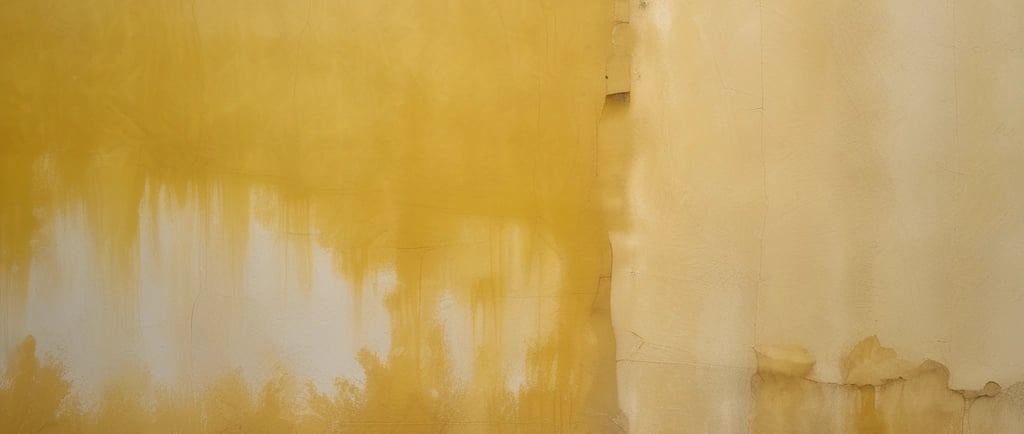
Understanding Thermal Imaging and Its Benefits in Painting
Thermal imaging is a non-invasive technology that captures and visualizes temperature differences in surfaces, providing critical insights into potential issues that may not be immediately visible to the naked eye.
Utilizing infrared cameras, this technology detects heat patterns, allowing professionals to identify problems such as moisture intrusion, insulation gaps, and energy losses. In the context of painting, thermal imaging is invaluable as it helps pinpoint areas where moisture accumulation may occur, which is crucial for ensuring the longevity and effectiveness of a paint job.
One of the primary benefits of thermal imaging in painting preparation is its ability to proactively identify moisture issues within walls.
Moisture can lead to peeling paint, mildew growth, and structural damage, significantly undermining the effectiveness of paint applied to surfaces. By employing thermal imaging technology, painters can uncover potential moisture issues before applying paint, ensuring that surfaces are adequately prepared and free of humidity-related problems. This foresight leads to better adherence of paint to surfaces, thereby preventing future damage and preserving aesthetic appeal.
Moreover, using thermal imaging can ultimately save time and reduce costs.
By addressing moisture issues beforehand, painters can avoid the need for costly repairs or reapplications of paint due to early failures. Identifying problems early on allows for a more efficient workflow, where corrective actions can be taken without disrupting the entire painting process. This strategic advantage not only enhances the quality of the painting project but also increases customer satisfaction by delivering a more durable end result.
In summary, thermal imaging represents a significant advancement in the painting industry, emphasizing the importance of preventive measures. By integrating this technology into painting preparations, professionals can ensure a higher standard of work while safeguarding against potential future damages.
The Importance of Moisture Detection in Walls
Moisture plays a pivotal role in the longevity and effectiveness of paint applications.
When moisture infiltrates walls, it can severely compromise paint adhesion, leading to reduced durability and aesthetic flaws. Paint relies on a properly prepared surface to bond effectively, and when moisture is present, this bond can be weakened. Consequently, the integrity of the paint layer becomes susceptible to peeling and blistering, which can lead to a need for premature repainting.
Moreover, undetected moisture within walls can result in significant secondary issues, such as mold growth. Mold thrives in damp environments, and when it colonizes behind paint, not only does it damage the substrate, but it also poses health risks to occupants. The presence of mold can lead to musty odors and potential respiratory problems, making moisture detection crucial before any decorative restoration is initiated.
To effectively identify moisture issues, it is advisable to utilize thermal imaging technology. This method allows for the detection of temperature variations in wall surfaces, which can indicate moisture accumulation. Anomalies captured through thermal imaging provide a non-invasive means to assess walls before painting, ensuring that any underlying moisture problems are addressed promptly.
Other methods for moisture detection in walls include the use of moisture meters, which can give a quantitative measure of moisture levels in different materials. In combination with visual inspections for signs of water damage, these techniques form a comprehensive approach to identifying potential moisture-related issues. Ensuring thorough moisture detection not only prevents paint damage but also contributes to the overall health of the indoor environment.
Conducting Preventive Inspection with Thermal Imaging
Conducting a preventive inspection using thermal imaging technology is an effective way to identify potential areas of paint damage before they escalate. This method leverages advanced infrared cameras that detect heat variation on surfaces, revealing underlying problems that might not be visible to the naked eye.
To begin, the essential equipment needed includes a thermal imaging camera, which captures the thermal radiation emitted by objects. Additional tools might include a moisture meter for corroborating findings and protective gear, ensuring the safety of the inspector during the process. It is advisable to perform inspections in varying conditions, as temperature differences between indoor and outdoor environments can affect the results.
The first step in the inspection process is to survey the area, starting from an overview of the structure and then focusing on specific surfaces. Scan the walls, ceilings, and any visible framework, paying attention to areas that typically experience moisture buildup or temperature fluctuations. Key indicators to look for include cold spots, which may signify moisture intrusion, and hot spots that can indicate electrical issues or insulation problems, all of which can cause paint degradation.
After capturing thermal images, the next step is to interpret the data. It is crucial to compare the thermal images to baseline temperatures to identify anomalies. Trained personnel can assess these images to convey nuanced insights regarding potential damage risks. Make informed decisions based on observations, whether that means repairing underlying issues or adjusting painting strategies to prevent future damage.
Ultimately, utilizing thermal imaging for preventive inspections not only enhances the painting process but also contributes to long-term maintenance and preservation of structures, ensuring quality and durability in painted surfaces.
Case Studies: Successful Paint Projects Utilizing Thermal Imaging
In recent years, the adoption of thermal imaging technology has revolutionized the preparation and execution of painting projects across various sectors. This section discusses several real-life case studies where thermal imaging was instrumental in preventing future paint damage, illustrating its efficacy compared to traditional inspection methods.
One notable residential project involved a historic home located in a humid climate zone.
Prior to the painting process, homeowners noticed recurring issues with peeling and bubbling paint. Conventional inspections failed to identify underlying moisture problems within the walls. However, when thermal imaging was employed, technicians discovered hidden water intrusion points that were otherwise undetected.
The thermal scans revealed anomalous temperature patterns indicative of moisture build-up. As a result, the homeowners were able to address the source of the water intrusion effectively, ensuring the new paint application was done on a structurally sound surface, ultimately preventing future damage.
Another example comes from a commercial property, specifically an office building that experienced frequent paint failure and high maintenance costs.
Building managers decided to incorporate thermal imaging during their preventive maintenance program. The scans revealed insulation inconsistencies, leading to heat loss and moisture retention, further contributing to the paint's premature deterioration. By locating and repairing these thermal anomalies, the facility was able to enhance energy efficiency and significantly reduce paint-related issues down the line.
These case studies underscore the critical role of thermal imaging in the painting preparation process. By identifying potential risks before they escalate into significant problems, contractors and property owners can make informed decisions, ensuring long-lasting results. Incorporating these advanced inspection techniques not only enhances paint durability but also optimizes resource allocation and minimizes future repair costs.
ConforX
Personalized interior painting and thermal imaging services in Valencia, Spain
Phone / WhatsApp
Interior Painting
Wall Surface Preparation & Minor Repairs
Thermal Imaging Inspections
© 2026. ConfortX . All rights reserved.
SERVICES
info@conforx.es
+34 692525330
QUICK LINKS
LEGAL