The Importance of Thermal Imaging in Pre-Renovation Inspections
THERMAL IMAGING & PREVENTION
1/20/20264 min read
Understanding Thermal Imaging Technology
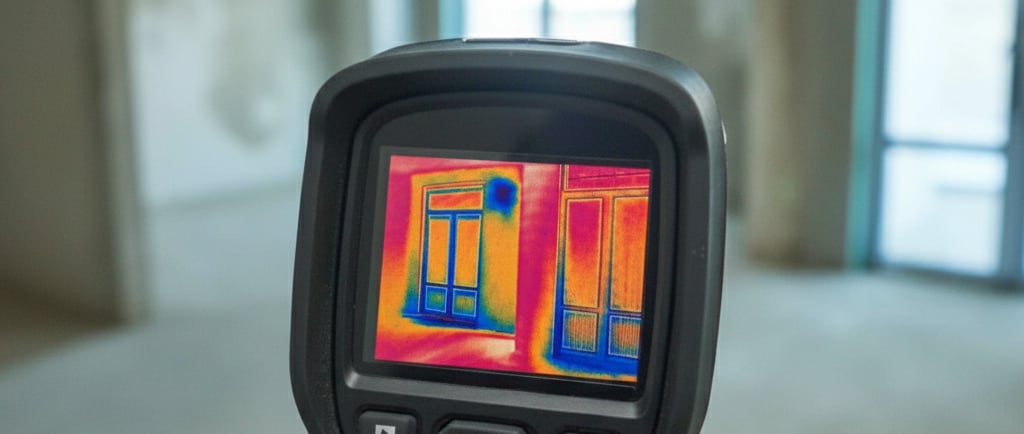
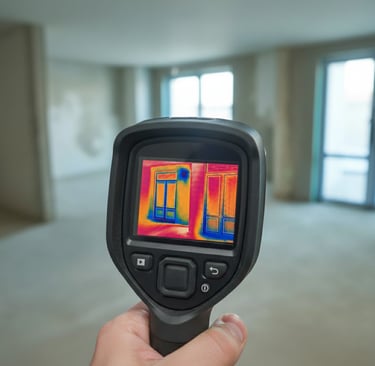
Thermal imaging technology is a diagnostic tool that utilizes infrared radiation to identify heat patterns and temperature differences in objects.
This non-invasive technique is employed in various fields, including building inspections, medical diagnostics, and electrical maintenance. At the core of thermal imaging is the understanding that all objects emit infrared radiation, which varies according to their temperature. This principle allows thermal imaging cameras to capture an image based on the heat emitted by surfaces, producing a thermal image or thermogram that visually represents temperature variations.
In the context of building diagnostics, thermal imaging is particularly valuable during pre-renovation inspections. By applying this technology, inspectors can detect issues that are otherwise invisible to the naked eye. For instance, thermal imaging can reveal hidden leaks in roofs, walls, or plumbing systems, helping to identify potential sources of water damage. It also assists in locating insulation deficiencies, where heat loss may occur, thus ensuring energy efficiency in buildings. These leaks or insulation gaps can significantly affect the overall integrity and comfort of a structure.
Moreover, the use of thermal imaging extends to identifying electrical faults. Overheating components can be monitored through thermal images, highlighting areas that may require immediate attention to prevent electrical failures or hazards. Through this visual representation, property owners or renovators can strategize renovations with informed decisions, ultimately saving time and resources.
In summary, thermal imaging technology provides clear advantages in the pre-renovation inspection process by offering insights into the underlying conditions of a structure. By identifying temperature discrepancies, it allows professionals to make educated decisions regarding necessary renovations and repairs, emphasizing its significance in modern building diagnostics.
Benefits of Using Thermal Imaging Before Renovation
Thermal imaging has emerged as a crucial tool in the realm of pre-renovation inspections.
One of the primary benefits of utilizing this technology is its capability to reveal hidden issues that might otherwise escape detection during a standard visual inspection. For instance, thermal imaging can identify insulation gaps in walls and ceilings, which can lead to significant energy loss if not addressed. By showcasing areas with inadequate insulation, it allows homeowners to enhance energy efficiency before committing to renovation plans.
Additionally, moisture intrusion is another critical concern that thermal imaging can effectively highlight. Whether it’s due to plumbing leaks or external water damage, detecting moisture early is vital for preventing mold growth and structural damage. By assessing various building components through thermal imaging, inspectors can identify moisture-related problems that could complicate or derail renovation projects, thus saving both time and money down the line.
Moreover, thermal imaging plays an essential role in identifying electrical faults. Overheating electrical components or circuits can pose serious safety hazards, and early detection through thermal imaging can avert potential disasters. By pinpointing areas with improper wiring or other electrical issues, homeowners can address these high-risk situations prior to renovation, ensuring that the renovation integrates safely with existing infrastructure.
In essence, employing thermal imaging before embarking on a renovation provides a comprehensive understanding of a property’s conditions. The insights gained from thermal inspections not only aid in planning but also contribute to more cost-effective and streamlined renovation processes.
Given these advantages, it is evident that thermal imaging is a vital step in ensuring successful renovations that are built on thorough knowledge and assessment of existing obstacles.
Applications of Thermal Imaging in Renovation Projects
Thermal imaging has become an integral asset in the realm of renovation projects, serving a multitude of applications that enhance both efficiency and effectiveness.
One of the primary uses of thermal imaging is in the detection of air leaks around windows and doors. By employing thermal cameras, inspectors can visually identify areas where warm or cool air escapes, thereby allowing homeowners to target specific locations for enhanced insulation measures. This precise identification leads to improved energy efficiency, ultimately lowering heating and cooling costs.
In addition to air leak detection, thermal imaging is instrumental in locating water leaks, which can cause substantial structural damage if left unaddressed. By revealing temperature variations associated with moisture accumulation, thermal cameras empower renovation teams to pinpoint leaks behind walls or beneath floors, thereby facilitating prompt repairs and avoiding costly damage restoration.
An equally important application of thermal imaging can be found in assessing the efficiency of HVAC systems. By producing a comprehensive thermal map of heating and cooling sources, this technology allows professionals to identify irregularities, such as hot or cold spots, which may indicate system inefficiencies or malfunctioning components. As a result, renovation teams can provide targeted recommendations for HVAC upgrades or repairs, ensuring optimal comfort for occupants.
Furthermore, thermal imaging serves as a valuable tool in roof inspections. It can assist in identifying areas with potential vulnerabilities, such as insulation deficiencies or moisture infiltration. This proactive approach enables building owners to take corrective actions, prolonging the lifespan of roofing materials and enhancing overall building performance.
Overall, the versatility of thermal imaging ensures that it plays a significant role in addressing a variety of challenges encountered during renovation projects, making it an indispensable resource for professionals in the field.
Choosing the Right Professional for Thermal Imaging Inspections
When embarking on a renovation project, it is critical to ensure that underlying issues are identified and addressed before construction begins.
Thermal imaging inspections serve as a vital tool in this process, as they reveal hidden defects such as moisture intrusion, insulation voids, and electrical hot spots. With the pivotal role that thermal imaging plays, selecting a qualified professional to conduct these inspections becomes essential.
One of the first considerations when choosing a thermal imaging inspector is to verify their certifications. Look for professionals who hold industry-relevant certifications, such as those issued by the Infrared Training Center (ITC) or the American Society for Nondestructive Testing (ASNT). These credentials demonstrate a commitment to the standards set within the field of thermal imaging, ensuring that the inspector has undergone proper training and has a comprehensive understanding of infrared technology.
In addition to certifications, reviewing the inspector's experience is crucial.
Professionals who have spent several years in the field are likely to possess a refined skill set, making them adept at interpreting thermal images accurately. Consider inquiring about their specific experiences related to inspections in residential or commercial properties similar to yours, as this can impact the effectiveness of their assessment.
Equally important is the type of equipment the inspector utilizes. Advanced thermal imaging cameras equipped with high-resolution sensors will provide more precise results compared to outdated models. Ask the inspector about the specifications of their equipment and ensure that they employ the latest technology available. This investment in quality tools often reflects a professional's dedication to providing exceptional service.
Lastly, do not hesitate to ask potential inspectors specific questions during the selection process. Inquire about their inspection methodology, what to expect during the inspection, and how they typically report findings. This will not only give you insight into their expertise but will also help you gauge their communication style, which is vital for addressing concerns that may arise during your renovation project.
ConforX
Personalized interior painting and thermal imaging services in Valencia, Spain
Phone / WhatsApp
Interior Painting
Wall Surface Preparation & Minor Repairs
Thermal Imaging Inspections
© 2026. ConfortX . All rights reserved.
SERVICES
info@conforx.es
+34 692525330
QUICK LINKS
LEGAL