Thermal Imaging Explained for Homeowners
A simple explanation of thermal imaging and how it helps homeowners detect hidden building issues.
THERMAL IMAGING & PREVENTION
1/20/20264 min read
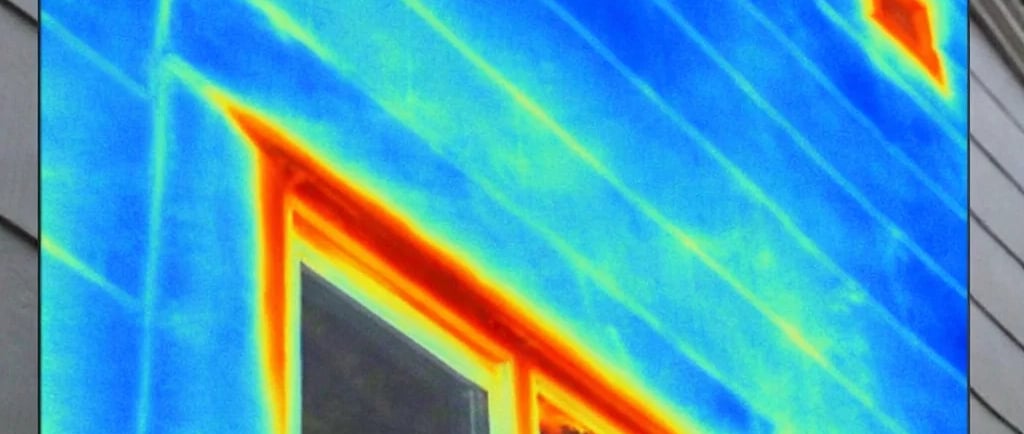
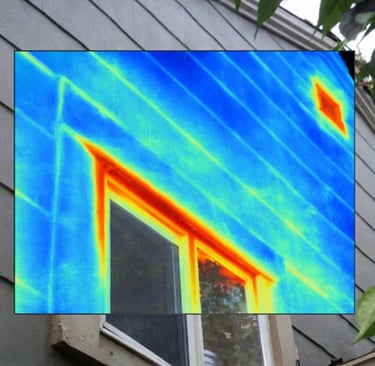
What is Thermal Imaging?
Thermal imaging is a technique that allows for the visualization of an object's temperature by detecting the infrared radiation emitted from it.
Unlike traditional imaging methods that capture visible light, thermal imaging relies on this infrared radiation to create a picture of heat patterns and variations. This technology involves the use of specialized cameras, known as thermal cameras or thermal imaging devices, which convert infrared radiation into a thermal image or thermogram. These devices detect temperature differences and help identify areas of heat loss or gain, making them invaluable in various applications, particularly for homeowners.
The fundamental principle behind thermal imaging is based on the fact that all objects emit some level of infrared radiation, depending on their temperature. Hotter objects emit more infrared radiation than cooler ones, allowing thermal imaging cameras to capture these variations. This means that thermal imaging can reveal information not visible to the naked eye, presenting insights such as insulation deficiencies, electrical hotspots, or plumbing leaks within a home.
In a residential context, thermal imaging technology can be employed for energy audits, helping homeowners identify areas where energy is being wasted due to inadequate insulation or air leaks.
By capturing data regarding temperature variations across surfaces and areas in a home, thermal imaging provides a clear and detailed view of where improvements can be made to enhance energy efficiency. Additionally, it can assist in preventative maintenance by revealing potential problems before they escalate, which is crucial for maintaining a safe and comfortable living environment.
The Benefits of Thermal Inspection in Homes
Thermal inspection offers numerous benefits for homeowners, serving as a crucial tool for the early detection of various issues within residential properties. Utilizing advanced thermal imaging technology, inspectors can identify problems such as insulation deficiencies, moisture intrusion, electrical faults, and HVAC complications that may not be visible to the naked eye.
One significant advantage of thermal imaging is its ability to uncover insulation issues. Inadequate insulation can lead to energy loss, resulting in higher utility bills. Thermal inspection can pinpoint areas where insulation is lacking, allowing homeowners to address these problems promptly, thus improving energy efficiency and overall comfort within the home.
Moisture intrusion is another critical concern that thermal imaging can help detect. Water leaks and dampness can lead to mold growth and structural damage if left unresolved. By identifying moisture-related issues early on, homeowners can take corrective actions before they escalate, potentially saving thousands of dollars in repairs.
Electrical faults are often hidden and can pose a significant safety risk. Thermal imaging can detect hot spots in electrical systems, indicating overheating wires or connections. Addressing these issues proactively ensures the safety of the household and prevents catastrophic failures such as electrical fires.
The HVAC system is integral to maintaining home comfort, and thermal inspections can help identify inefficiencies or malfunctions in these systems. By recognizing problems early on, homeowners can avoid significant repair costs and ensure their heating and cooling systems operate at peak efficiency.
In conclusion, the benefits of thermal inspection extend beyond mere convenience; they encompass substantial financial savings and enhanced safety for homeowners. By leveraging this technology, property owners can effectively manage potential risks while ensuring their homes remain safe and comfortable.
Infrared Cameras Explained
Infrared cameras are sophisticated devices that play a crucial role in thermal imaging technology.
These cameras operate by detecting infrared radiation, which is emitted by objects and surfaces, converting it into an electronic signal, and representing it visually. The core technology behind these cameras relies on thermographic sensors that capture heat patterns rather than visible light, making them invaluable tools for various applications in home inspections, energy audits, and building diagnostics.
One of the essential features of infrared cameras is resolution. Resolution refers to the camera’s ability to distinguish fine details in a thermal image. Higher resolution cameras provide clearer images, enabling users to identify minute temperature variations, which is particularly important in detecting insulation issues or moisture intrusion in residential properties.
Additionally, thermal sensitivity, also known as thermal resolution, measures the camera’s capability to detect small temperature differences. A camera with higher thermal sensitivity will enhance the ability to identify subtle anomalies which might indicate serious underlying problems.
User interface is another important aspect of infrared cameras.
A user-friendly interface facilitates ease of operation, making it accessible for both professionals and homeowners. Most modern infrared cameras are equipped with digital displays featuring intuitive controls, allowing users to adjust settings and analyze images efficiently. Furthermore, various types of infrared cameras are available on the market catering to a range of needs.
Professional-grade models offer high resolution and advanced features, while compact, consumer-oriented models are lightweight and easier to handle, suited for homeowners interested in basic thermal inspection. Each type serves distinct purposes, so it is essential to choose one that aligns with the specific requirements of the task at hand.
How Homeowners Can Use Thermal Imaging
Thermal imaging technology has become increasingly accessible to homeowners seeking to enhance their property management and maintenance efforts.
One practical application of thermal imaging is during the buying or selling of a home. Prospective buyers can utilize thermal inspection services to identify potential issues such as insulation gaps, electrical faults, or moisture intrusion. Detecting these problems before finalizing a purchase can save homeowners considerable time and money, preventing unforeseen repairs in the future.
For those currently living in a home, thermal imaging offers numerous advantages for conducting routine maintenance. Homeowners can assess the thermal efficiency of their property and identify areas that may need insulation upgrades or sealing. This proactive approach not only contributes to energy savings but can also enhance comfort within the home. Moreover, diagnosing electrical problems with a thermal camera can help prevent fire hazards by pinpointing overheating circuits.
Improving energy efficiency is another significant reason homeowners might consider thermal imaging. By identifying cold spots and heat loss areas in walls, windows, and doors, one can implement appropriate solutions to optimize heating and cooling systems, which can lead to reduced energy consumption and lower utility bills.
When searching for qualified professionals to conduct thermal inspections, homeowners are advised to look for certified technicians with experience in the field. Checking reviews, asking for referrals, and confirming credentials are essential steps in selecting a reliable thermal imaging service. Alternatively, some homeowners may choose to invest in their own infrared cameras for DIY inspections. While purchasing a thermal camera can be beneficial for ongoing monitoring, it is important to weigh the costs against the limited expertise that an average homeowner may have in interpreting the results.
Properly understanding the data captured by thermal imaging is crucial for making informed decisions regarding home maintenance and improvements.
ConforX
Personalized interior painting and thermal imaging services in Valencia, Spain
Phone / WhatsApp
Interior Painting
Wall Surface Preparation & Minor Repairs
Thermal Imaging Inspections
© 2026. ConfortX . All rights reserved.
SERVICES
info@conforx.es
+34 692525330
QUICK LINKS
LEGAL