The Essential Role of Primers in Interior Painting
PROCESS & QUALITY
1/20/20265 min read
Understanding Primers: What They Are and Their Purpose
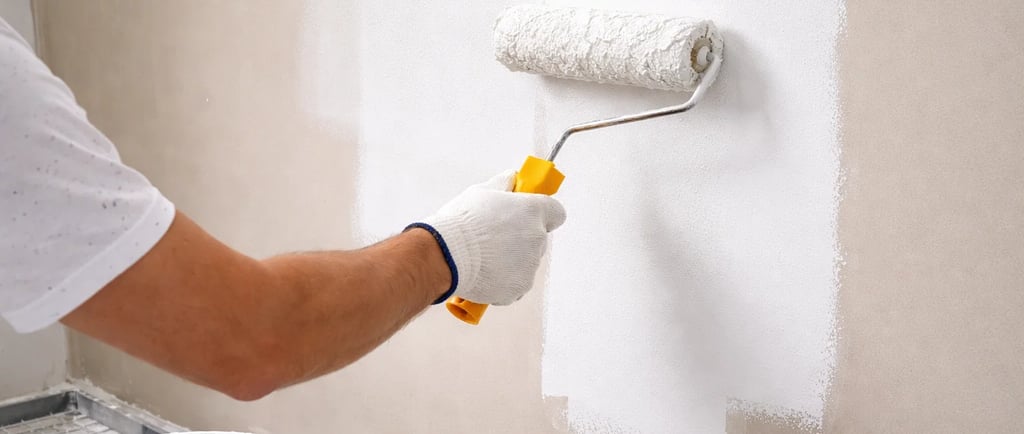
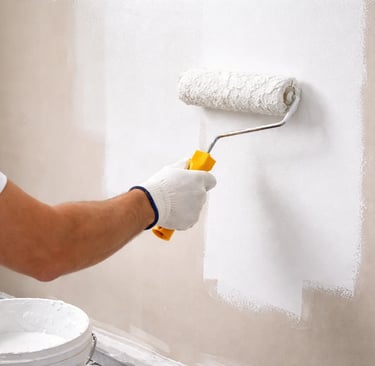
In the realm of interior painting, primers serve a fundamental role in ensuring optimal adhesion and a smooth finish. A primer is a preparatory coating applied to surfaces before the application of paint.
Its primary purpose is to create a suitable foundation for the topcoat, allowing the paint to adhere more effectively and uniformly. This is especially important when working with porous materials, as primers can help seal the surface, preventing the paint from being absorbed unevenly and thereby ensuring a consistent color and texture.
Primers come in various formulations, including oil-based, water-based, and shellac-based options.
Oil-based primers are ideal for surfaces such as wood and metal, as they provide excellent adhesion and are particularly effective in blocking stains. However, they require solvent-based cleaners for brush cleaning and have a longer drying time. Water-based primers, on the other hand, are easier to clean up and dry quickly. They are suitable for drywall and plaster, as they help prevent moisture issues and are less prone to yellowing over time. Shellac-based primers are a versatile choice, known for their fast drying time and ability to seal in odors or stains, making them suitable for a variety of challenging surfaces.
The importance of applying a primer cannot be overstated, particularly when aiming for long-lasting results. Without a proper primer, paint can fail to adhere correctly, leading to peeling, flaking, or uneven surfaces.
By sealing and preparing the substrate, primers ensure that the finish coat looks its best and lasts longer, ultimately saving both time and resources in the long run. Investing in the right primer for a specific project is crucial for achieving a high-quality finish that can withstand the test of time and complement the overall aesthetic of interior spaces.
The Benefits of Using a Primer Before Painting
Using a primer before painting is an essential step that can significantly enhance the overall quality and longevity of an interior paint job. One of the most notable benefits of applying a primer is its ability to improve the adhesion of paint to the surface. A properly primed surface creates a strong bond, thus allowing the topcoat to adhere more effectively. This not only ensures that the final appearance is smooth and uniform but also extends the life of the paint job.
In addition to adhesion, priming contributes to the durability of the topcoat. Without a primer, paint is more vulnerable to wear and tear from daily activities, such as cleaning and exposure to sunlight. By using a quality primer, homeowners can expect a more resilient surface that holds its color and finish over time, reducing the need for frequent repaints and touch-ups.
Another significant advantage of applying a primer is its role in increasing the coverage of paint. Many paints, especially those with lighter pigments, can require multiple coats for full opacity. A good primer acts as a barrier, minimizing the number of topcoats needed to achieve the desired color. This not only saves on paint costs but also reduces the amount of time spent painting. Moreover, primer helps to prevent stains from bleeding through the topcoat, ensuring that the true color of the chosen paint is accurately represented on the wall.
Various testimonials from homeowners and professionals alike emphasize the importance of using primer. Many have noted that their projects benefitted from the time, effort, and cost savings associated with its application. Overall, utilizing a primer is an investment that pays dividends in the quality, durability, and appearance of an interior paint job.
Common Mistakes to Avoid in Wall Priming
Priming is a critical step in the interior painting process that should not be overlooked; however, many DIY painters and professionals alike commit mistakes that can compromise the quality of the finish.
One of the most significant errors is skipping the priming step altogether. Primer serves as a foundation for the topcoat, enhancing adhesion and providing an even surface. By neglecting this step, the final paint layer may not adhere properly, leading to peeling and fading over time.
Another common pitfall pertains to the selection of the wrong type of primer for specific surfaces. Each primer formulation is designed for particular applications, such as drywall, wood, or metal. Using an inappropriate primer can result in inadequate coverage, poor adhesion, and an uneven finish. It is crucial to read product labels meticulously and choose the right primer based on the surface material and the paint type that will be applied.
Additionally, improper application techniques can also lead to unsatisfactory results.
It is essential to apply primer in thin, even coats, allowing adequate drying time between layers. Rushing this process can cause issues such as streaks and blotches, which can affect the appearance of the final paint job. Moreover, using the correct tools is paramount. For larger areas, a roller may be more efficient, while the use of brushes is advisable for corners and trim work.
Finally, before commencing the priming process, ensure the surface is clean and free of dust, grease, or old paint. This preparation step is vital for achieving a smooth application. In case of problems such as curling or peeling paint, troubleshooting should include assessing the integrity of the primer used, the type of paint applied over it, and the environmental conditions during the application.
Proper awareness of these common mistakes will pave the way for a more successful priming experience and, ultimately, a superior paint finish.
Choosing the Right Interior Painting Primer for Your Project
When embarking on an interior painting project, selecting the appropriate primer is critical to achieving a successful finish. Key considerations include the type of wall surface, the existing paint condition, and the desired finish effects. Understanding these factors can aid in your choice of primer.
Firstly, different wall surfaces require specific types of primers for optimal adhesion and performance. For instance, drywall often necessitates a latex-based primer to seal the porous surface, ensuring even paint application. Conversely, wood surfaces can benefit from an oil-based primer, particularly if they are prone to staining or require a more thorough seal. Meanwhile, metal surfaces usually require a rust-inhibiting primer to prevent corrosion and to foster better paint adherence.
The condition of the existing paint also plays a significant role in primer selection. If walls are chipped or peeling, a bonding primer may be necessary to ensure that the new paint adheres properly. In cases where the previous paint is glossy, a primer designed to promote adhesion on slick surfaces should be utilized. This preparatory step will help in achieving a smooth and even layer of paint.
Additionally, the desired finish effects can dictate your choice. For high-gloss finishes, a high hiding primer can create a clean, uniform base. In contrast, if a subtle finish is preferred, a smooth, matte primer would be more appropriate.
The market is flooded with various primer products, including brands renowned for quality such as Zinsser, KILZ, and Behr. These products often provide reliable options with specific formulations catering to diverse surfaces.
Ultimately, if uncertainty persists regarding primer selection, consulting a professional can provide clarity. Professionals can offer tailored advice based on your unique project needs, ensuring the right primer is chosen to facilitate the desired outcome.
ConforX
Personalized interior painting and thermal imaging services in Valencia, Spain
Phone / WhatsApp
Interior Painting
Wall Surface Preparation & Minor Repairs
Thermal Imaging Inspections
© 2026. ConfortX . All rights reserved.
SERVICES
info@conforx.es
+34 692525330
QUICK LINKS
LEGAL