How Long Should a Professional Paint Job Last?
Find out how long interior paint should last and what factors affect its durability.
PROCESS & QUALITY
1/20/20264 min read
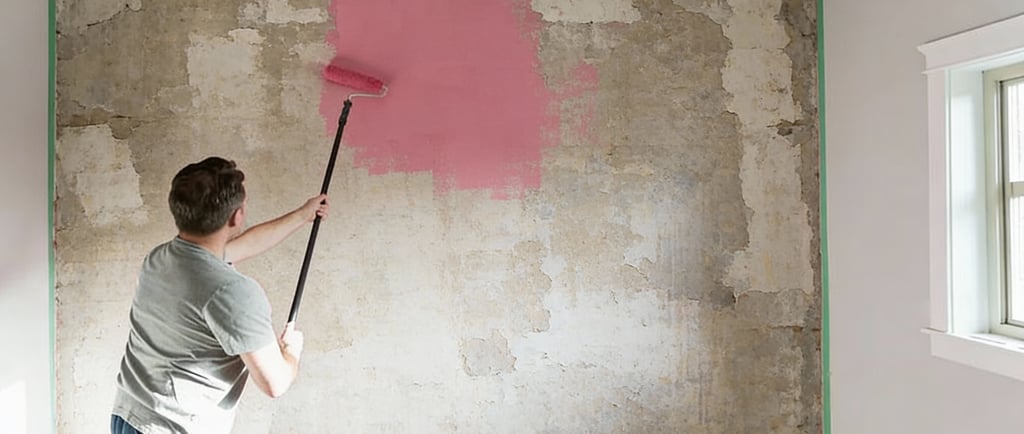
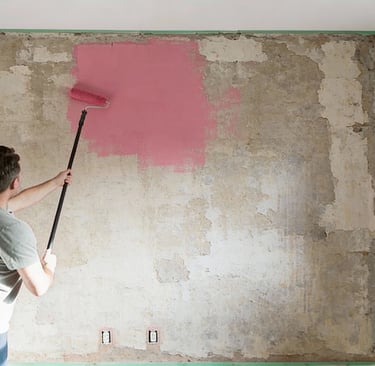
Understanding Paint Durability
Paint durability refers to the lifespan and resilience of paint coatings when applied to various surfaces.
The longevity of a paint job depends on several interrelated factors, including the type of paint used, its formulation, application techniques, and environmental conditions. Different types of paint contain varying components that contribute to their durability. For instance, paints designed for exterior use generally have additives that enhance their resistance to UV rays, moisture, and temperature fluctuations, which are essential for withstanding outdoor conditions.
Interior paints, while often less robust than exterior options, focus on adherence, washability, and aesthetic appeal, contributing to their unique longevity characteristics. The base composition also plays a crucial role; for example, latex paints are popular for interior applications due to their low toxicity and ease of cleaning, while oil-based paints offer superb adhesion and durability, making them suitable for high-traffic areas.
Furthermore, environmental factors significantly influence the durability of paint. Sunlight exposure can cause paint to fade and deteriorate over time. Areas with high humidity or frequent rain can lead to issues with mildew and peeling, while extreme temperature variations can cause paint to crack or blister.
Proper surface preparation and the selection of appropriate paint types based on specific conditions are crucial steps in enhancing the longevity of any paint job. In summary, understanding the interaction between paint characteristics and environmental elements is essential for selecting and applying the right paint to achieve long-lasting results.
Factors Influencing the Lifespan of a Paint Job
The longevity of a professional paint job is influenced by several critical factors that encompass surface preparation, quality of materials, application techniques, and environmental considerations. Each of these components plays a vital role in determining how effectively paint adheres to surfaces and stands the test of time.
Firstly, surface preparation is paramount. Thoroughly cleaning, sanding, and priming surfaces ensures that paint has a stable foundation to adhere to. Neglecting this step can lead to issues such as peeling, chipping, or flaking, which significantly compromises the paint's lifespan. Additionally, different surfaces may require specific preparations; for instance, drywall, wood, and metal all have unique properties that influence the painting process.
The quality of materials used, particularly paint products and primers, cannot be overstated. Investing in high-quality paints that are formulated for durability and specific environmental conditions results in a more resilient finish. Premium paints often contain advanced resin technology that enhances longevity and resistance to fading, moisture, and extreme temperatures.
Moreover, the techniques employed during application also play a significant role. Proper methods including adequate brush strokes, suitable roller techniques, and ensuring the right environmental conditions (like temperature and humidity) during application contribute to a smoother, uniform finish that is less prone to issues over time. In particular, hiring a professional painter can guarantee that these techniques are effectively executed, thus optimizing the paint job's durability.
Lastly, environmental considerations such as exposure to direct sunlight, humidity levels, and seasonal weather changes can affect the performance of paint. For instance, exterior paint jobs subjected to harsh UV rays or moisture may require more frequent maintenance compared to those in sheltered environments.
Recognizing the interplay of these factors is essential for understanding how they can either lead to premature paint failure or enhance the durability of a paint job.
Average Lifespan of Interior and Exterior Paint
Understanding the average lifespan of both interior and exterior paints is crucial for homeowners and professional painters alike.
The longevity of a paint job can vary significantly based on several factors including the type of paint used, the surface it is applied to, and environmental conditions. According to industry experts, latex paints, which are frequently preferred for interior applications, can last anywhere from 5 to 10 years if applied correctly on well-prepared surfaces. In contrast, oil-based paints tend to offer a longer lifespan, lasting between 10 and 15 years, particularly in non-moisture-rich environments.
For exterior paints, the expectations change as they face harsher conditions. Latex exterior paint can typically last between 5 and 7 years, while high-quality oil-based exterior paints may last up to 15 years. That said, exposure to elements such as sun, rain, and wind can accelerate wear and tear, necessitating more frequent inspections. Homeowners should be vigilant for signs indicating that repainting is required, such as noticeable fading, peeling, or chalking of the paint. Discoloration in particular patches or the emergence of mold or mildew are also critical indicators that suggest an urgent need for attention.
To assess the condition of existing paint jobs, a thorough examination should be conducted. This includes checking for cracking or blistering of the paint and evaluating the overall sheen. It is advisable to perform this assessment regularly, ideally every couple of years, to ensure timely maintenance and preservation of both aesthetic and structural qualities of the surfaces.
Engaging with professional painters for an expert opinion can further assist in determining the right timing for reapplication, ultimately prolonging the lifespan of a paint job.
Tips to Extend the Lifespan of Your Paint Job
Homeowners seeking to preserve the quality and appearance of their paint job should consider implementing a few practical maintenance strategies. Regular upkeep not only enhances aesthetic appeal but also significantly extends the life of the painted surfaces. Establishing a routine maintenance schedule is beneficial. This routine can include simple tasks such as cleaning walls gently with a damp cloth to remove dust, dirt, and grime, which can accumulate and dull the finish over time.
Periodic inspections of painted areas are crucial. Homeowners should check for signs of wear or damage, particularly in high-traffic zones or areas exposed to the elements. Early detection of issues like peeling, fading, or cracking allows for timely touch-ups, which are vital in preventing further deterioration. Using high-quality paint and regularly applied sealants can significantly improve resistance against moisture and UV rays.
In addition, it is important to avoid harsh cleaning agents that can damage the paint. Instead, use soft cloths or sponges and mild detergents to maintain the paint's integrity. For exterior surfaces, consider seasonal cleaning to remove mildew or mold that could compromise not only the appearance but also the durability of the paint job.
Finally, consulting with a professional for more extensive repairs or when contemplating reapplication is advisable. Professionals can provide insights on the right materials and techniques, ensuring that the job lasts longer. Following these tips on maintenance can make a significant difference in the longevity of your paint job, reinforcing the benefits of preventive care.
ConforX
Personalized interior painting and thermal imaging services in Valencia, Spain
Phone / WhatsApp
Interior Painting
Wall Surface Preparation & Minor Repairs
Thermal Imaging Inspections
© 2026. ConfortX . All rights reserved.
SERVICES
info@conforx.es
+34 692525330
QUICK LINKS
LEGAL