Interior Painting in Mediterranean Climates: What’s Different
HOME INTERIOR MAINTENANCE
1/21/20264 min read
Understanding Mediterranean Climate
Mediterranean climates are characterized by hot, dry summers and mild, wet winters.
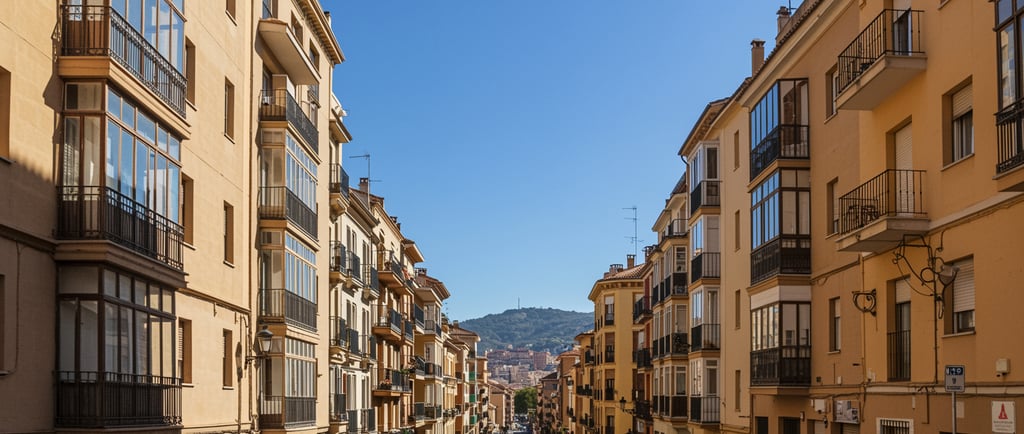
A prime example of this climate is found in regions like Valencia, Spain, where temperatures during the summer can soar to an average of 30°C (86°F) or higher, while winter temperatures rarely drop below 10°C (50°F). This unique temperature range significantly influences the choices made when it comes to interior painting.
Seasonal variations play a crucial role in how these climates affect indoor spaces.
The summer months are characterized by long periods of sunlight, which can lead to increased interior temperatures and potentially harmful UV exposure on painted surfaces. The adjacent winters bring cooler temperatures and increased humidity levels, which could affect the curing processes of paint. As a result, painters must consider these variations, both in terms of the timing of their projects and the materials they choose to employ.
The impact of humidity is another vital factor that cannot be overlooked. While Mediterranean climates are generally dry, localized weather patterns may lead to sudden changes in humidity. Higher humidity levels can lead to issues such as mold and mildew growth, particularly in poorly ventilated areas. Therefore, selecting the right type of paint—such as mold-resistant and high-adhesion formulations—becomes imperative to ensure the longevity and durability of the interior surfaces.
As a consequence of these climatic factors, techniques such as proper surface preparation, moisture control, and respirable low-VOC paints are essential for successful interior painting. Proper ventilation during application is paramount, especially during warmer months, to facilitate quicker drying times and avoid potential adverse health effects.
Overall, understanding the unique characteristics of Mediterranean climates is essential for effective interior painting, ensuring that both aesthetic and functional needs are met.
Challenges of Interior Painting in Humid Environments
The Mediterranean climate, characterized by high humidity levels, presents unique challenges for interior painting projects. One of the most prominent issues is the increased risk of mildew growth.
High moisture content in the air can foster the development of mildew on painted surfaces, which not only affects aesthetics but may also lead to health issues for the occupants. Homeowners should be especially vigilant in rooms that are prone to dampness, such as bathrooms and kitchens, as these areas are particularly susceptible to mildew due to their inherent humidity levels.
Moreover, humidity can significantly affect paint adhesion. High moisture in the air or on surfaces can prevent paint from properly bonding to walls, which can lead to peeling or flaking paint over time. This is particularly crucial when employing water-based paints, which are more sensitive to moisture compared to their oil-based counterparts. Ensuring that surfaces are adequately prepared and dry before applying paint is essential to mitigate adhesion issues.
Another challenge posed by humid environments is the extended drying times required for paint application. In high humidity conditions, the evaporation rate of water from the paint is significantly reduced, prolonging the drying and curing processes. This can lead to delays in completing painting projects and may result in uneven finishes if subsequent coats are applied too soon.
The longevity and overall appearance of interior paintwork are directly influenced by how well these challenges are addressed, making it paramount for those undertaking interior painting in Mediterranean climates to adopt suitable strategies.
Selecting the Right Paint for Mediterranean Interiors
When it comes to interior painting in Mediterranean climates, the selection of the appropriate paint is paramount due to the unique environmental conditions prevalent in these regions. Characterized by high humidity and occasional moisture, interior surfaces require specific types of paints that can withstand such conditions without deteriorating.
One of the most important features to consider is moisture resistance.
Paints that are labeled as moisture-resistant are ideal, as they help prevent water damage, mold, and mildew growth on walls. Additionally, breathable paint options are preferable, allowing any trapped moisture within the walls to escape, thereby reducing the risk of paint peeling or blistering. This is particularly vital in areas like Valencia, where humidity levels can impact the longevity of interior finishes.
In recent years, eco-friendly and sustainable paint options have become increasingly popular among consumers who are environmentally conscious. These paints often contain low levels of volatile organic compounds (VOCs) and are made from natural materials, making them safer for both indoor air quality and the environment. Look for certifications such as Green Seal or eco-labels that indicate the paint’s sustainability credentials.
Furthermore, choosing durable paints can also enhance the lifecycle of your interior walls. Many major paint manufacturers now offer products specifically formulated to resist fading and staining, which is particularly beneficial in sun-drenched Mediterranean locales.
The combination of these features will ensure that your interior paints not only complement the beauty of your home but also perform effectively under varying climate conditions.
Best Practices for Interior Painting in Humid Regions
When painting interiors in Mediterranean climates, characterized by high humidity, certain best practices can significantly enhance the outcome of your projects.
One of the key preparatory steps is to assess the moisture levels within the environment. Ideally, painting should be carried out when humidity is at its lowest, often during the more temperate parts of the day. Aim for a relative humidity level below 50% to ensure optimal drying conditions.
Before commencing any painting work, it is essential to prepare the surfaces adequately. This includes cleaning walls to eliminate mold, mildew, or dirt that may have accumulated due to the humid conditions. Consider applying a primer specifically designed for high-humidity areas; this creates a barrier that helps the paint adhere better and resist moisture damage in the future.
Select high-quality paints that are formulated for humid climates. These paints often contain mildewcides to prevent the growth of mold on painted surfaces and ensure long-lasting color retention. Additionally, opt for finishes that are both washable and breathable, as these attributes allow moisture to escape rather than become trapped beneath the paint layer.
During the painting process, employ techniques that minimize issues related to humidity. For example, using a paint roller with a longer nap can help in achieving a more even application, reducing the chances of streaks or blotches. Ensure that adequate ventilation is present to facilitate the drying process, as stagnant air can exacerbate humidity-related issues.
After the painting is completed, consider implementing a regular maintenance routine. Checking for signs of moisture intrusion and maintaining good airflow within the space will prolong the life of the paintwork. Remember to clean surfaces periodically with appropriate non-abrasive cleaners to prevent dirt accumulation and possible mildew growth.
ConforX
Personalized interior painting and thermal imaging services in Valencia, Spain
Phone / WhatsApp
Interior Painting
Wall Surface Preparation & Minor Repairs
Thermal Imaging Inspections
© 2026. ConfortX . All rights reserved.
SERVICES
info@conforx.es
+34 692525330
QUICK LINKS
LEGAL