Humidity and Interior Walls: What Homeowners Should Know
HOME INTERIOR MAINTENANCE
1/21/20264 min read
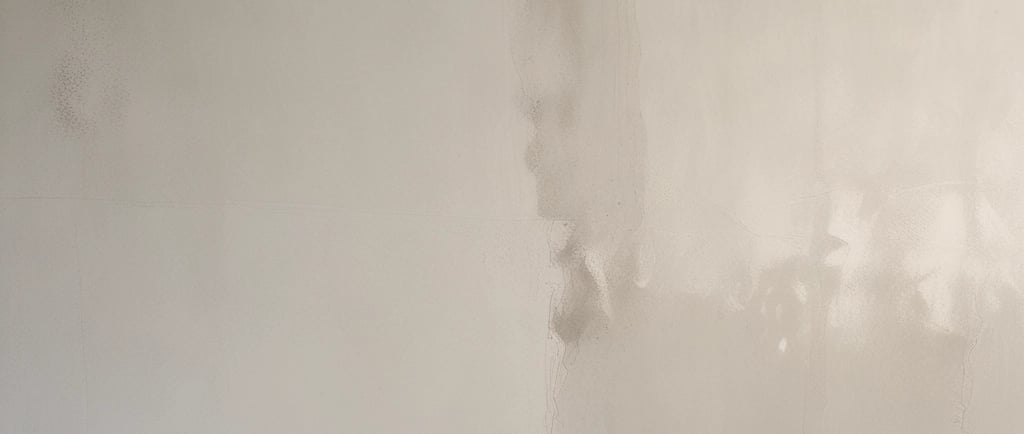
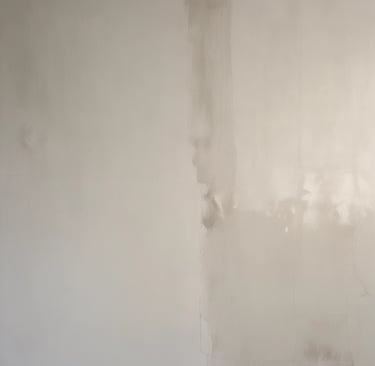
Understanding Humidity and Its Impact on Interior Walls
Humidity refers to the amount of water vapor present in the air, and it plays a critical role in determining indoor environmental quality.
It is measured as a percentage, representing the current amount of moisture in the air relative to the maximum amount of moisture the air can hold at a given temperature. Indoor humidity levels typically fluctuate due to factors such as weather, seasonal changes, and home activities like cooking and bathing.
When indoor humidity levels rise too high—generally exceeding 60%—they may lead to condensation on surfaces, including interior walls. This condensation occurs when warm, moist air comes in contact with cooler wall surfaces, resulting in water droplets forming. Over time, these damp conditions can create an environment conducive to mold and mildew growth, which not only compromises the integrity of the walls but also poses health risks to the inhabitants.
Moreover, excessive humidity can lead to peeling paint, warping wood, and deterioration of insulation within the walls. Homeowners may find themselves facing costly repairs if moisture-related damage is left unaddressed, making it essential to monitor and maintain humidity levels within a comfortable range, generally between 30% and 50%. Utilizing dehumidifiers, proper ventilation, and moisture-resistant materials can be effective measures to mitigate the impact of high humidity on interior walls.
In summary, understanding the relationship between humidity and interior walls is crucial for homeowners. By maintaining optimal humidity levels, one can enhance indoor comfort and ensure the longevity and integrity of the home’s structure. Regular monitoring and proactive measures are essential to combat the detrimental effects of excessive moisture exposure on interior surfaces.
Homeowners often face various challenges related to condensation problems within their residences. Recognizing these issues early can prevent further damage and costly repairs. Common signs of condensation include visible water stains on walls or ceilings, peeling paint, and the presence of musty odors. Each of these indicators serves as a warning that humidity levels are likely too high, leading to moisture accumulation on interior surfaces.
Water stains typically manifest as yellow or brownish discolorations on walls, often indicating that moisture is seeping through the paint or drywall. When these stains appear, it is crucial to investigate the source of the moisture, as they can lead to mold growth if left unaddressed. Peeling paint is another signal that humidity has caused damage behind the wall surface. As moisture builds up, it can weaken the bond between the paint and the wall, causing it to flake or peel away.
Musty odors are commonly associated with mold and mildew, which thrive in humid environments. If homeowners notice a musty scent, it may be time to inspect areas of the home that are prone to moisture, such as basements or bathrooms.
The causes of these condensation problems vary, but they often stem from insufficient ventilation, inadequate insulation, or seasonal fluctuations. Poor ventilation means that moist air cannot escape, leading to higher humidity levels inside the home. Similarly, inadequate insulation can allow warm, moist air to seep into cooler areas, resulting in condensation. Seasonal changes, particularly in winter, also contribute to condensation as warm indoor air meets cold surfaces.
By being vigilant and aware of these common condensation issues, homeowners can take appropriate measures to improve ventilation, enhance insulation, and address humidity levels in their homes before they lead to significant damage.
Effective Moisture Prevention Strategies for Walls
Homeowners seeking to protect their interior walls from humidity-related damage should implement a range of effective moisture prevention strategies.
One of the most critical methods is improving ventilation within the home. Adequate airflow helps reduce moisture levels, making it essential to ensure that bathrooms, kitchens, and laundry rooms are equipped with exhaust fans. Utilizing these fans during showers or cooking minimizes humidity buildup that can otherwise lead to mold growth and deterioration of wall materials.
Another practical approach to combat excessive moisture is the use of dehumidifiers. These devices are especially beneficial in areas prone to high humidity levels, such as basements. By regularly running a dehumidifier or choosing one with a built-in hygrometer to automatically adjust humidity levels, homeowners can significantly reduce interior moisture, thereby enhancing the lifespan of their walls.
Sealing windows and doors is also crucial in preventing moisture intrusion. Homeowners should inspect these entry points for gaps or signs of wear and promptly apply weatherstripping or caulking where necessary. Such measures not only enhance energy efficiency but also serve as a barrier against outdoor moisture.
Proper insulation in walls is another essential technique to prevent moisture issues. Insulating exterior walls helps maintain stable indoor temperatures, while reducing condensation caused by temperature fluctuations between indoor and outdoor environments. Additionally, regular maintenance checks can catch potential issues before they escalate. Inspecting the walls for spills and leaks, and ensuring that gutters and downspouts are directing rainwater away from the foundation further aids in moisture management.
By integrating these strategies, homeowners can effectively minimize humidity levels and protect their interior walls from the damaging effects of moisture, ensuring a healthier, more durable living environment.
When to Seek Professional Help
Homeowners may encounter various humidity and condensation issues that can affect the integrity of their interior walls significantly.
While some moisture-related problems can be effectively resolved with basic preventive measures, there are specific scenarios in which it becomes essential to seek professional assistance. Recognizing the signs that warrant expert intervention is crucial for maintaining a safe and healthy living environment.
One of the primary indicators that a homeowner should consider hiring a professional is the existence of chronic humidity problems. If the moisture persists despite diligent efforts to control it—through the use of dehumidifiers, proper ventilation, or regular maintenance—it may point to underlying issues that require expert assessment. Professionals can help identify potential causes like plumbing leaks or inadequate insulation, which may not be evident without a thorough investigation.
Another critical scenario necessitating expert help is the presence of extensive mold growth. Mold can proliferate rapidly in damp environments, posing health risks to inhabitants and damaging structural materials. Once mold becomes visible, it is a clear indicator that humidity levels are excessively high or that water has invaded the space in significant quantities. Professionals have the tools and training required to safely remove mold and address the source of moisture.
Lastly, if homeowners notice structural damage to their walls, such as warping, peeling paint, or deterioration of materials, it is crucial to consult an expert. Structural damage can lead to more severe consequences, including compromised home safety. By engaging professionals, homeowners can ensure a comprehensive evaluation and effective resolution of moisture-related concerns.
ConforX
Personalized interior painting and thermal imaging services in Valencia, Spain
Phone / WhatsApp
Interior Painting
Wall Surface Preparation & Minor Repairs
Thermal Imaging Inspections
© 2026. ConfortX . All rights reserved.
SERVICES
info@conforx.es
+34 692525330
QUICK LINKS
LEGAL