Essential Guide to Preparing Interior Walls in Older Buildings
HOME INTERIOR MAINTENANCE
1/21/20265 min read
Understanding the Challenges of Old Building Wall Preparation
Preparing walls in older buildings presents unique challenges that require a thorough understanding of the structures involved.
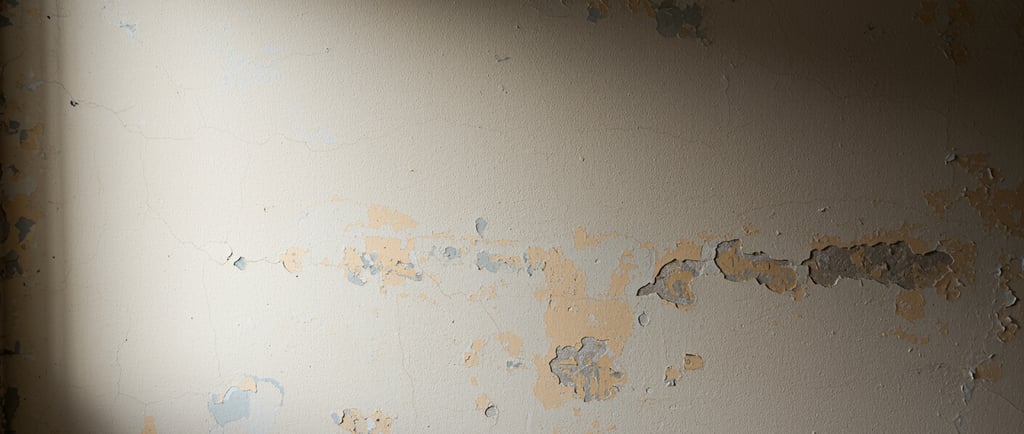
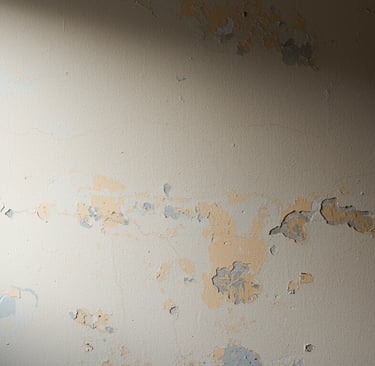
Over time, these walls may succumb to various forms of age-related deterioration. Common issues include cracked plaster, peeling paint, and even the infiltration of moisture leading to mold growth. Each problem not only affects the aesthetic appearance of the walls but also the integrity of the building itself.
One of the primary concerns when preparing walls in historic constructions is the type of materials originally used. Older buildings often utilized plaster mixes, wood lath, and other components that differ significantly from modern materials.
The presence of lead-based paints in pre-1978 constructions poses another challenge, necessitating careful handling and disposal to ensure safety and compliance with regulations. Understanding these materials and their properties is crucial in preventing damage during the preparation process.
Furthermore, before commencing any preparation work, it is essential to assess the structural integrity of the walls. This assessment may involve checking for water damage, studying load-bearing aspects, and identifying any historical renovations that may complicate the preparation process. An in-depth inspection will ensure that any existing issues are addressed early on, avoiding complications during the wall preparation stage.
Readers should also be vigilant in recognizing how common issues like cracks and mold can affect their preparation efforts. For instance, surface cracks can indicate deeper structural problems that, if left untreated, could compromise the wall’s stability. Similarly, mold growth requires careful remediation to prevent health hazards and ensure a sound surface for further finishing work.
Addressing these challenges with diligence will lead to successful wall preparation, ultimately preserving the historical significance and structural integrity of older buildings.
Assessing Wall Condition Before Repainting Old Walls
Before embarking on the project of repainting old walls, it is essential to conduct a thorough assessment of their condition. This evaluation not only informs homeowners about the current state of their walls but also helps identify any necessary repairs or preparatory work that needs to be undertaken.
The first step in wall assessment is to inspect for visible damage. This includes looking for cracks, peeling paint, or signs of mold and mildew. Taking note of these imperfections is crucial, as they can affect the longevity of the new paint finish. Use a flashlight to illuminate darker areas, ensuring no damage is overlooked.
Next, it is important to identify the type of previous finishes applied to the walls. Older buildings may have layers of paint or even wallpaper, which could influence the repainting process. Removing a small section of paint will reveal whether it is oil or latex-based, which dictates the primers and paints that can be used. Additionally, identifying different finishes, such as matte or glossy, can help select the appropriate new finish.
Once the type of finish has been determined, it is vital to conduct repairs before any painting commences. If cracks are found, fill them with an appropriate filler and sand them down once dry. Patching areas of peeling paint or addressing any areas of water damage is equally important. For significant damage, consulting with a professional may be beneficial to ensure proper repair methods are employed.
Finally, utilize a checklist during the assessment process to ensure all steps are covered: inspect for damage, identify types of finishes, perform necessary repairs, and prepare surfaces for effective painting. This organized approach will aid in achieving a successful repainting of the interior walls in older buildings.
Effective Surface Preparation Techniques for Older Homes
Preparing the interior walls of older buildings requires careful attention due to the unique challenges posed by various wall materials such as plaster, drywall, or brick.
A well-prepared surface is essential for achieving a smooth and long-lasting paint finish. Here, we will discuss effective techniques that can transform a dated wall into a clean, paint-ready surface.
The first crucial step in surface preparation is cleaning. Dust, dirt, and any old residues from previous paint layers or wall treatments must be thoroughly removed. Using a mixture of mild detergent and water, scrub the surface with a sponge or cloth, particularly in areas that show stains or discoloration. For tougher grime, consider using a commercial wall cleaner or a gentle abrasive pad, always testing a small area first to ensure it won’t damage the material.
Once the walls are clean, the next technique is patching.
Older walls often have imperfections such as cracks or holes that need to be addressed. For plaster walls, use a suitable patching compound and a putty knife to fill these imperfections. Allow the compound to dry completely and then sand the area smooth, ensuring it is flush with the surrounding surface. For drywall, similar patching compounds can be used, but be mindful of the potential for dust—always wear a mask when sanding.
Sanding is an essential step that ensures better adhesion for paint. After the patching compounds have dried, lightly sand the entire wall surface. This not only smooths out any patched areas but also prepares the original wall surface to better accept paint. Use fine-grit sandpaper to avoid damaging the wall. Following sanding, it is advisable to wipe down the walls with a damp cloth to remove any dust created in the process.
Lastly, applying a primer is recommended, particularly for older walls that may absorb paint unevenly. A quality primer helps seal the surface and offers a uniform canvas for the topcoat, enhancing the paint’s durability. Make sure to choose a primer suitable for the wall type, whether it be plaster, drywall, or brick.
Choosing the Right Paint and Finish for Older Building Interiors
When considering repainting the interiors of older buildings, it is crucial to select the right paint and finish that honors the historical nature of the property while ensuring durability and aesthetic appeal. Older structures often feature unique architectural elements that deserve to be preserved, making it imperative to consider the historical context in which the building exists.
First, it is essential to assess the existing surface to determine the best type of paint. Many older buildings may have surfaces painted with oil-based paints that require specific preparation for new coatings to adhere properly. In such cases, using a high-quality primer specifically designed for older surfaces is recommended, as it aids in adhesion and prevents peeling.
For interior walls, there are several options available.
Water-based acrylic paints are often favored due to their easy cleanup and lower levels of volatile organic compounds (VOCs). They bond well to most surfaces and can be less damaging to the environment, making them an excellent choice for eco-conscious restorers. However, if a more traditional look is desired, oil-based enamels may still be appropriate, especially for trim and molding, where durability is paramount.
In terms of finishes, a satin or eggshell finish can enhance the beauty of the walls while providing washability, which is important for maintaining the interior. It is advisable to avoid high-gloss finishes on large wall areas, as they can create an overly modern appearance. To achieve a historically accurate look, consider researching the original paint colors used in similar buildings or utilizing modern technology to match existing hues precisely.
Overall, selecting the right paint and finish requires careful thought about the building’s history, the existing materials, and the desired aesthetic. By prioritizing both durability and historical authenticity, revitalizing the interiors of older buildings can be a rewarding endeavor.
ConforX
Personalized interior painting and thermal imaging services in Valencia, Spain
Phone / WhatsApp
Interior Painting
Wall Surface Preparation & Minor Repairs
Thermal Imaging Inspections
© 2026. ConfortX . All rights reserved.
SERVICES
info@conforx.es
+34 692525330
QUICK LINKS
LEGAL