The Essential Role of Thermal Imaging in Renovation Planning
Thermal imaging inspections help identify hidden issues before renovation or repainting begins.
THERMAL IMAGING & PREVENTION
1/21/20264 min read
Understanding Thermal Imaging: What It Is and How It Works
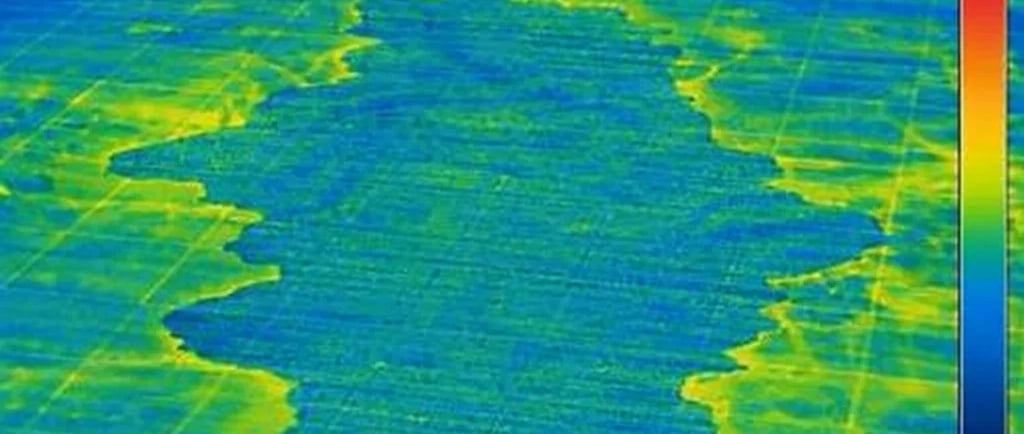
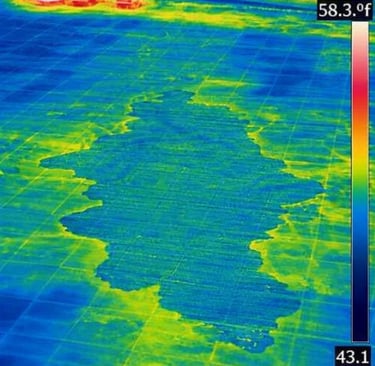
Thermal imaging technology has gained considerable recognition across numerous sectors, most notably in construction and renovation planning. This innovative approach relies on specialized thermal cameras that detect infrared radiation emitted by objects, particularly surfaces. By displaying varying temperature levels in distinctive colors, thermal imaging effectively highlights temperature differences, which can be instrumental in identifying potential issues such as heat loss, moisture accumulation, and electrical inefficiencies.
The fundamental principle behind thermal imaging lies in the concept of infrared radiation. All objects emit this type of radiation, with the intensity correlating to their temperature. Thermal cameras are equipped with sensors that can capture and convert this infrared radiation into a visual representation. This allows for quick assessments of a building's thermal performance, enabling property owners and professionals to address underlying problems before they escalate.
Beyond its essential role in renovation planning, thermal imaging has diverse applications across various industries. In electrical inspections, for instance, thermography can detect overheating components, thus preventing failures and ensuring safety. Likewise, plumbing diagnostics benefit from thermal imaging by detecting leaks that may not be visible to the naked eye. Energy audits also significantly utilize this technology to assess a building's efficiency, pinpointing areas where insulation improvements can lead to substantial energy savings.
Overall, thermal imaging not only enhances the renovation planning process but also contributes to improved safety and efficiency in other fields. By incorporating this technology into evaluations, professionals can make informed decisions based on accurate thermal data, ultimately leading to higher standards in construction practices and energy management.
Benefits of Conducting a Thermal Imaging Inspection
Before embarking on any renovation project, conducting a thermal imaging inspection is a crucial step that can yield significant benefits. One of the primary advantages of utilizing thermal imaging technology is its capability to detect hidden issues that are not visible to the naked eye. For instance, thermal cameras can identify water leaks within walls, ceilings, and floors, potentially preventing mold growth and extensive damage. Early detection of such problems allows homeowners and contractors to address them promptly, thus saving on costly repairs that might arise from neglect.
Another critical benefit of thermal imaging inspection is its effectiveness in revealing insulation deficiencies. Insufficient insulation can lead to energy loss, causing heating and cooling systems to work harder and increasing utility bills. By identifying areas where insulation is lacking, homeowners can make informed decisions about energy efficiency improvements during the renovation process. This not only enhances comfort levels within the home but also contributes to long-term savings on energy expenses.
In addition to water leaks and insulation issues, thermal imaging can also expose electrical problems, such as overloaded circuits or malfunctioning components. These dangerous problems can pose significant fire risks if left unaddressed. By identifying electrical issues early, renovations can be planned to include necessary updates, ensuring safety and compliance with local codes.
Ultimately, incorporating thermal imaging inspections into the renovation planning process can lead to considerable time efficiency. Identifying potential issues at the outset helps streamline the renovation process, reducing delays and unexpected costs. Homeowners can budget more accurately, ensuring that the project proceeds smoothly and within the planned timeline. Overall, investing in thermal imaging inspections can provide a clear path toward a successful renovation, safeguarding against unforeseen complications.
Case Studies: Successful Renovations Utilizing Thermal Imaging
Thermal imaging has become an indispensable tool in the field of renovation planning, particularly for identifying hidden issues that traditional inspection methods may overlook. Several case studies exemplify the successful application of thermal imaging in various renovation projects, highlighting its capability to enhance building performance while ensuring safety and energy efficiency.
One notable case involved an aging commercial office building that exhibited significant thermal anomalies, as revealed by infrared imaging. The thermal scans indicated inadequate insulation in several areas, which was directly linked to excessive heating and cooling costs. Upon identifying these hidden insulation issues, the renovation team implemented targeted improvements by reinforcing the insulation and sealing air leaks. Post-renovation analysis demonstrated a remarkable 30% reduction in energy expenses, showcasing how thermal imaging can lead to substantial operational savings.
Another compelling instance occurred in a residential setting, where a homeowner reported persistent drafts and inconsistent heating. Utilizing thermal imaging technology, inspectors were able to pinpoint areas of heat loss caused by faulty windows and poor insulation in the walls. The renovation process included the replacement of windows with energy-efficient models and insulation upgrades. After completion, the homeowners experienced improved indoor comfort and a significant decrease in utility bills, further underscoring the advantages of utilizing thermal imaging during the renovation process.
In a different context, a historic building undergoing a major restoration project benefitted from thermal imaging as well. The scans revealed moisture intrusion risks behind walls, which were not visible through conventional assessments. By addressing these hidden moisture problems early on, the renovation team prevented potential structural damage, thereby ensuring the building’s longevity and preserving its historical significance. The use of thermal imaging thus proved critical in enhancing safety and durability.
Getting Started with Thermal Imaging Inspections
Thermal imaging inspections serve a crucial function in the renovation process, providing homeowners and contractors with vital insights that can enhance decision-making. To effectively implement these inspections, it is essential to ensure that they are conducted by qualified professionals who are skilled in interpreting thermal imaging data. When hiring a thermal imaging expert, consider their certification, experience, and past client reviews to ensure reliability and expertise.
Before the inspection, homeowners should identify specific areas of concern within their properties. Common issues addressed during thermal imaging inspections include air leaks, moisture intrusion, and insulation deficiencies. Being aware of these potential problems will assist the inspector in focusing on critical areas during the assessment.
During the thermal imaging inspection, clients can expect a systematic examination of the building's exterior and interior surfaces. Professionals will use specialized thermal cameras to capture infrared images, revealing temperature variations that may indicate hidden problems. Homeowners are encouraged to be present during the inspection, as this provides an opportunity to ask questions and gain a better understanding of the process.
Once the inspection is complete, the results will be compiled into a detailed report. Interpreting these findings is integral to maximizing the value of thermal imaging in renovation planning. Homeowners and contractors should look for patterns in the data that indicate areas requiring immediate attention and assess how these findings affect the overall renovation strategy. The insights gleaned from thermal imaging should be incorporated into a comprehensive renovation plan, ensuring that all identified issues are effectively addressed for optimal results.
Utilizing thermal imaging inspections can significantly enhance renovation outcomes, facilitating informed decisions and ultimately leading to improved energy efficiency and home comfort.
ConforX
Personalized interior painting and thermal imaging services in Valencia, Spain
Phone / WhatsApp
Interior Painting
Wall Surface Preparation & Minor Repairs
Thermal Imaging Inspections
© 2026. ConfortX . All rights reserved.
SERVICES
info@conforx.es
+34 692525330
QUICK LINKS
LEGAL