Understanding Thermal Paint: A Guide to Improved Interior Walls
Thermal paint explained: how insulating paint works on interior walls, its benefits, limitations, and when it makes sense for homes and apartments.
THERMAL & INSULATING PAINT
1/22/20264 min read
What is Thermal Paint?
Thermal paint, often referred to as paint thermal insulation or heat insulation paint, is a specialized type of coating designed to enhance energy efficiency within indoor spaces.
Unlike conventional paints that primarily focus on aesthetics and color, thermal paint incorporates innovative materials that reflect heat rather than absorb it. This unique property makes it a valuable addition for those looking to improve temperature regulation in their homes or offices.
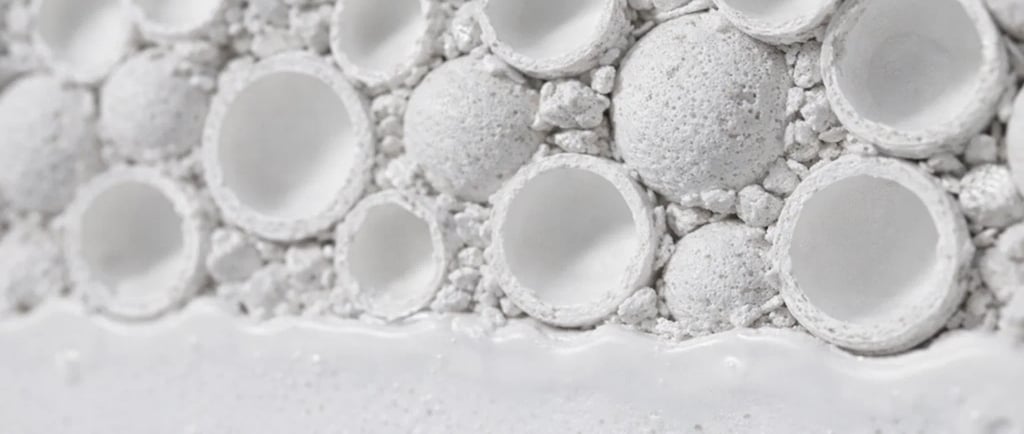
The technology behind thermal insulation paint involves the use of microscopic ceramic beads or advanced polymers that facilitate heat reflection. These materials form an insulating barrier on the walls, ceilings, and other surfaces, thereby preventing heat loss in winter and keeping interiors cooler during the warmer months. The effectiveness of thermal paint lies in its ability to manage heat transfer, achieving more stable and comfortable indoor temperatures.
In comparison to traditional paints, thermal paints contribute not only to thermal comfort but also to energy efficiency. This innovative product can lead to reduced heating and cooling costs, making it an eco-friendly option as well. Furthermore, thermal insulation paint is available in various formulations, offering different levels of performance depending on the intended application and specific requirements.
When considering the application of thermal paint, it is essential to note that while it is a powerful thermal insulation tool, it should not be viewed as a standalone solution. Proper insulation practices and the use of thermal paint in conjunction with conventional insulation materials will yield the best results.
Thus, integrating thermal paint can be a strategic choice for those aiming to enhance indoor comfort while promoting energy conservation.
How Does Thermal Paint Work?
Thermal paint, often referred to as insulating paint, operates on a unique principle that involves the reflective properties of its constituents.
This specialized paint contains microscopic ceramic beads that function as insulators. When applied to walls and surfaces, these beads create a barrier that significantly decreases the transfer of heat, both in and out of a building. This mechanism aids in controlling the indoor temperature, enhancing comfort while simultaneously reducing energy costs.
The science behind thermal paint is rooted in the concept of radiant heat transfer. Traditional insulating methods such as fibreglass or foam insulation rely on physical barriers to resist heat flow.
In contrast, thermal paint reflects thermal radiation rather than solely providing a physical barrier. This unique property allows it to mitigate heat absorption when temperatures rise or minimize heat loss during colder months. Therefore, thermal paint acts effectively in both winter and summer conditions, making it a versatile solution for maintaining stable indoor climates.
Additionally, the application of thermal paint provides practical benefits over conventional insulation techniques. For instance, thermal paint can be applied to existing surfaces without the need for extensive renovations or space modifications. This ease of application not only saves time but also minimizes disruption in occupied spaces. Furthermore, the thin layer of thermal paint retains valuable floor space, which is often compromised by bulky insulation materials.
In conclusion, the functionality of thermal paint lies in its innovative approach to energy efficiency. By reflecting thermal radiation and reducing heat transfer, it offers an effective alternative to traditional insulation methods. Its unique properties, along with its straightforward application, highlight thermal paint as a modern solution for improved comfort and energy conservation in interior spaces.
Benefits and Limitations of Thermal Paint
Thermal paint is increasingly recognized as an innovative option for enhancing the energy efficiency of homes and apartments.
One of the primary benefits of this type of paint is its ability to reflect heat away during the warmer months and retain it during colder seasons. This reflective quality can lead to significant cost savings on heating and cooling expenses, allowing homeowners to maintain a comfortable indoor environment while potentially reducing utility bills.
Another advantage is the ease of application. Unlike traditional insulation methods, which often require construction alterations, thermal paint can be directly applied to existing surfaces, making it a less invasive option. Its application does not require extensive preparation, making it an appealing solution for those looking to enhance their interiors without undergoing major renovations.
However, it is crucial to recognize that thermal paint is not a panacea for all energy efficiency challenges. Its effectiveness can be influenced by various factors, primarily surface preparation. If walls are not cleaned and primed appropriately before application, the paint may not adhere correctly, potentially diminishing its performance. Additionally, the climate plays a significant role. In extremely humid or cold conditions, the thermal properties of the paint could be less effective than expected, leading to variable results across different environments.
The thickness of the application also affects the performance of thermal paint. If not applied to the recommended thickness, its insulating capabilities might be compromised. Homeowners should not envision thermal paint merely as a "magic solution"—its integration into a broader strategy for energy efficiency is essential for optimal results.
Understanding both the benefits and limitations allows for a more informed decision regarding the installation of thermal paint, ensuring that expectations align with its actual capabilities.
Use Cases for Thermal Paint in Homes
Thermal paint, known for its ability to improve energy efficiency and enhance insulation, has numerous practical applications in various areas of a home.
One significant use case is in living rooms, particularly those with large windows or poorly insulated walls. Applying thermal paint can help regulate indoor temperatures, reduce reliance on heating and cooling systems, and offer a more comfortable living environment. By utilizing thermal paint, homeowners can experience cost savings on their energy bills while maintaining a pleasant atmosphere.
In addition to living rooms, basements often present challenges related to temperature fluctuations and humidity. Utilizing thermal paint on basement walls can mitigate cold drafts and prevent moisture-related issues such as mold and mildew. This application benefits homeowners who wish to convert their basements into functional spaces, such as home offices or recreation rooms, thus extending the usability of their property.
Apartments and smaller homes also stand to gain from the application of thermal paint. Space constraints often make temperature control challenging, as well as energy efficiency a concern due to thin walls and proximity to neighbors. By painting walls with thermal paint, tenants can experience improved insulation, less sound from outside, and overall better temperature management.
Real-world scenarios illustrate these benefits effectively. For example, a homeowner who painted their living room and basement walls with thermal paint reported a 30% reduction in heating costs during winter months. Similarly, a family living in an apartment noticed a significant decrease in their electricity expenses after applying thermal insulation paint to their walls and ceilings.
Such endorsements highlight the effectiveness of thermal paint across different home environments.
ConforX
Personalized interior painting and thermal imaging services in Valencia, Spain
Phone / WhatsApp
Interior Painting
Wall Surface Preparation & Minor Repairs
Thermal Imaging Inspections
© 2026. ConfortX . All rights reserved.
SERVICES
info@conforx.es
+34 692525330
QUICK LINKS
LEGAL