The Advantages of Insulating Paint for Interior Walls: A Comprehensive Guide
Insulating interior paint for walls explained: where it works best, preparation tips, and how it can improve comfort in apartments and homes.
THERMAL & INSULATING PAINT
1/22/20264 min read
Understanding Insulating Paint
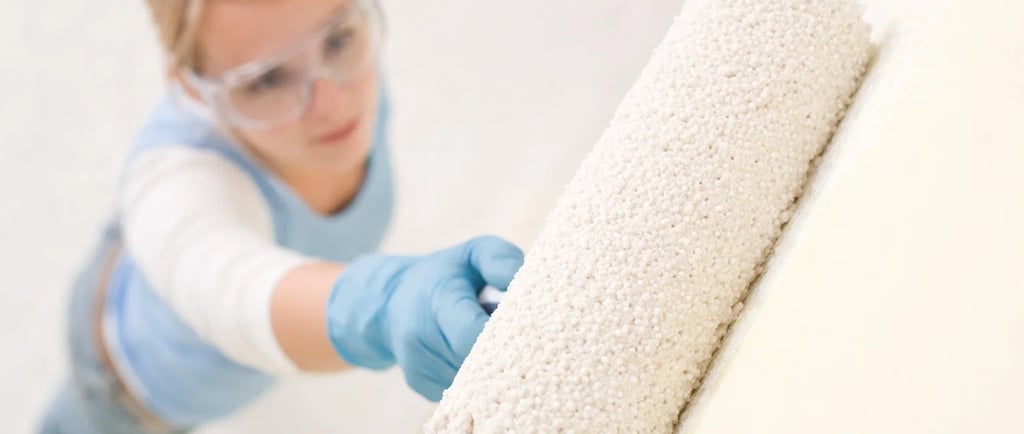
Insulating paint, commonly known as thermal insulation paint, is a specialized coating for interior walls that enhances energy efficiency in residential and commercial buildings.
This innovative paint is designed with properties that provide thermal barrier capabilities, significantly reducing heat loss during winter months and minimizing heat gain during the summer. Its effectiveness lies in its ability to reflect or absorb heat, allowing for more consistent indoor temperatures.
The composition of insulating paint typically involves a combination of polymer resins and a unique blend of insulating particles, which together form a protective layer on the walls. These materials create a microstructure that can reflect radiant heat. When applied to walls, the paint acts as a thermal barrier, reducing the transfer of heat through the walls. This results in a more stable indoor climate, leading to reduced energy requirements for heating and cooling.
One remarkable characteristic of insulating paint is its ability to maintain favorable indoor temperatures throughout the year. In winter, the paint helps to retain warmth by minimizing heat loss, while in summer, its reflective properties work to avoid overheating. This dual functionality makes it particularly advantageous in environments with extreme temperature fluctuations.
The science behind thermal insulation paint is rooted in the principles of thermodynamics. By creating an effective barrier against heat flow, the paint contributes not only to comfort but also to the overall energy efficiency of buildings. For regions prone to particular climate challenges, such as hot summers or cold winters, the application of insulating paint can significantly impact energy consumption and utility costs.
In essence, insulating paint presents a versatile solution for property owners looking to enhance energy efficiency while enjoying the benefits of improved climate control within their spaces.
Best Rooms for Insulating Interior Paint Application
Insulating paint serves as an innovative solution for improving the temperature control and overall comfort of various rooms within a home. Its application is particularly advantageous in living rooms, bedrooms, and areas that experience significant temperature fluctuations, such as attics and basements. By enhancing the thermal performance of interior walls, insulating paint can lead to reduced energy costs and a more cozy living environment.
In living rooms, where families often gather, insulating paint can help maintain a comfortable atmosphere by minimizing heat loss during the colder months and keeping temperatures steady during summer. The versatility of this paint makes it suitable for any style of decor while contributing to overall energy efficiency. This is important for families looking to create a welcoming space without incurring high heating or cooling bills.
Bedrooms are another ideal application for insulating paint. Since sleep quality can be affected by extreme temperatures, applying insulating paint to bedroom walls can create a regulated environment that promotes restful sleep. Additionally, this can be particularly beneficial in climates with severe temperature swings, helping to maintain a stable and pleasant sleeping temperature.
Attics and basements pose unique challenges due to their susceptibility to temperature extremes. Applying insulating paint in these areas can significantly improve insulation and reduce humidity-related concerns. This is crucial for attics that might be used for storage or additional living spaces, as well as basements that may contain sensitive items. Proper insulation helps in preventing mold and moisture issues.
Finally, in humid or warm climates, special attention should be paid to the choice of insulating paint. Opt for products specifically designed to withstand higher moisture levels to ensure long-lasting effectiveness. The strategic application of insulating paint in various room types can maximize the benefits of this innovative product, leading to enhanced comfort and energy savings throughout the home.
Preparation Steps for Applying Insulating Paint
Preparing the walls for the application of insulating paint is crucial in achieving optimal results.
To begin, ensure that the surfaces are clean and free from dust, dirt, and grease. Use a mild detergent mixed with water to wipe down the walls thoroughly. A sponge or cloth is recommended for this task, as it allows for gentle scrubbing without damaging the wall surface.
Next, inspect the walls for any imperfections such as cracks, holes, or peeling paint. Using a patching compound, fill in these imperfections to create a smooth surface. Once the compound has dried completely, sand the repaired areas lightly to ensure they are level with the surrounding surfaces. This step is vital, as even minor imperfections can detract from the insulating properties of the paint.
After addressing repairs, apply a primer coat to the walls.
The primer enhances adherence, allowing the insulating paint to bond more effectively. Choose a primer suitable for the type of surface you are working with, whether it's drywall, plaster, or previously painted surfaces. Allow the primer to dry as per the manufacturer’s instructions before proceeding.
In terms of tools and materials, having a high-quality paintbrush or roller, paint tray, and drop cloths will facilitate a smoother painting experience. Additionally, wearing protective gear such as gloves and a mask is advisable to ensure safety during the application process.
Finally, before starting the application of insulating paint, ensure the area is well-ventilated, as this not only provides comfort but also aids the drying process. By meticulously following these preparation steps, you can set a robust foundation for a successful insulating paint application, ultimately contributing to improved energy efficiency and comfort within the space.
Common Scenarios for Using Insulating Paint in Different Climates
Insulating paint for interior walls serves as an effective tool across various climates, particularly in warm or humid regions where energy efficiency and moisture management are crucial.
In apartment complexes, where multiple residences share walls, insulating paint significantly reduces heat transfer. This application results in notable energy savings, as residents can maintain comfortable temperatures without heavily relying on air conditioning systems.
In coastal areas known for their high humidity levels, insulating paint can effectively combat moisture-related issues. The paint's unique properties help create a barrier that prevents mold and mildew from developing on walls, ensuring a healthier living environment.
Homeowners in such regions often report decreased humidity levels indoors, contributing to enhanced comfort and lower maintenance costs. For instance, a case study involving a residential complex in Florida highlighted a 30% reduction in humidity levels after applying thermal insulation paint, illustrating its effectiveness in such climates.
Moreover, insulating paint is ideal for older homes where traditional insulation methods may be outdated or ineffective. Homeowners can opt for this coating to supplement existing insulation without the need for extensive renovations. This scenario was prevalent in a family home in Louisiana, where insulating paint application led to a 25% decline in energy bills, showcasing its practical advantages for budget-conscious families.
In urban areas, where buildings are closely packed, insulating paint can create a significant barrier against external heat, thereby making indoor spaces more comfortable. Many residents in these environments have reported substantial reductions in energy consumption after utilizing insulating paint for their interior walls.
ConforX
Personalized interior painting and thermal imaging services in Valencia, Spain
Phone / WhatsApp
Interior Painting
Wall Surface Preparation & Minor Repairs
Thermal Imaging Inspections
© 2026. ConfortX . All rights reserved.
SERVICES
info@conforx.es
+34 692525330
QUICK LINKS
LEGAL