Understanding Mold Resistant Paint: A Preventive Solution Against Mold Growth
Mold resistant paint explained as a preventive solution for humidity and condensation. Learn its benefits, limits, and proper use indoors.
THERMAL & INSULATING PAINT
1/22/20264 min read
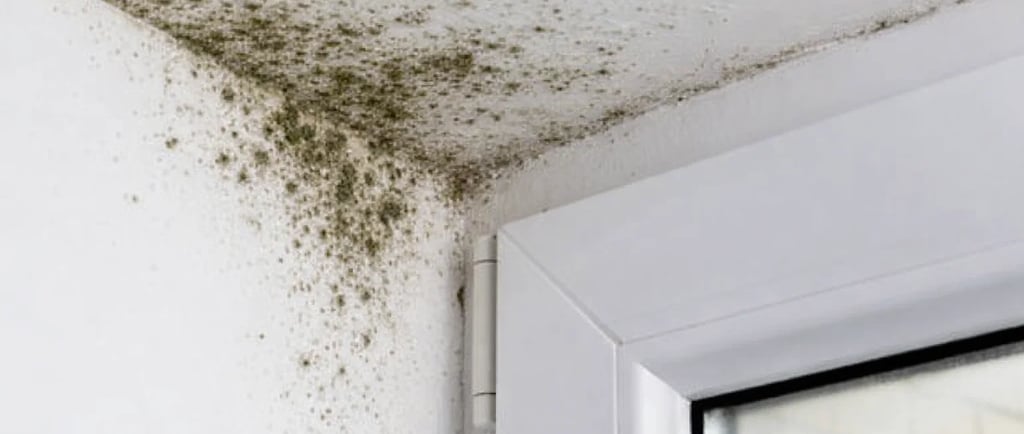
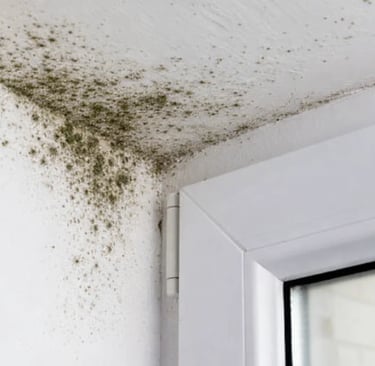
What is Mold Resistant Paint and How Does It Work?
Mold resistant paint is a specialized coating designed to prevent mold growth on surfaces where it is applied. Unlike conventional paint, which may provide minimal protection against mold, mold resistant paint contains specific active ingredients that inhibit the growth of mold spores. These formulations are particularly beneficial for areas prone to high humidity and dampness, such as bathrooms, kitchens, and basements.
The primary mechanism by which mold resistant paint operates lies in the inclusion of antimicrobial agents. These active substances work to create an unfavorable environment for mold spores, preventing them from attaching to the painted surface and proliferating. This is achieved through the paint's ability to limit moisture retention and protect against the underlying surface from harboring mold-friendly conditions.
Several types of mold resistant paint exist in the market, including antimold paint and humidity resistant paint. Antimold paint typically incorporates advanced biocides that target a broad spectrum of mold types, while humidity resistant paint focuses on reducing moisture absorption, which lessens the potential for mold growth.
The effectiveness of these paints can vary based on formulation and the environmental conditions in which they are applied.
When considering mold resistant paint, it is essential to evaluate the specific needs of the environment and select a product suitable to those conditions. While some paints may offer superior protection against mold compared to others, thorough preparation of the surface prior to painting remains crucial for achieving optimal results.
Applying mold resistant paint not only enhances the aesthetic appeal of a space but also contributes to maintaining a healthy indoor environment by minimizing the risk of mold-related issues.
The Importance of Moisture Control in Mold Prevention
Mold growth is a pervasive issue in many homes, often fueled by excessive moisture and inadequate ventilation.
The relationship between moisture, condensation, and mold is critical; when humidity levels exceed 60%, the risk of mold proliferation significantly increases. According to the Environmental Protection Agency (EPA), mold can start to grow within 24 to 48 hours in wet conditions, highlighting the urgency of effective moisture management.
There are numerous sources of moisture within residential spaces. Everyday activities such as cooking, bathing, and even breathing can release moisture into the air. Additionally, leaks from plumbing fixtures, roofs, or basement flooding can introduce unwanted water that becomes trapped in enclosed areas. Poor ventilation exacerbates these issues, allowing humidity to accumulate and create a conducive environment for mold to thrive.
To effectively manage moisture, homeowners must implement a combination of strategies.
This includes ensuring proper ventilation through windows, exhaust fans, and dehumidifiers to alleviate excess humidity. While mold resistant paint serves as a protective barrier against surface mold, it is critical to understand that it does not address the root cause of mold proliferation—moisture issues. Without adequately addressing these underlying conditions, even the best mold-resistant coatings will eventually fall short of preventing mold growth.
Vigilant moisture control is paramount not only in preventing mold but also in maintaining a healthy living environment. Regular inspections for leaks and maintaining optimal humidity levels are essential practices homeowners should adopt.
By recognizing the limitations of mold-resistant paint and focusing on comprehensive moisture management, individuals can safeguard their homes against the myriad of issues associated with mold growth.
Choosing the Right Paint: Factors to Consider
Selecting the appropriate mold-resistant paint involves several factors that homeowners must carefully evaluate. One of the primary features to consider is the paint’s waterproof capability.
Effective waterproof insulation paint should create a barrier that prevents water from penetrating walls, thus significantly reducing the chances of mold growth. Look for products labeled as "mildew resistant" or "mold resistant," as these formulations are specifically designed to inhibit fungal growth.
Understanding product labels is crucial in making an informed choice. Key elements to examine include the paint’s VOC (volatile organic compounds) content, durability, and specific environmental ratings. Lower VOC paints are not only environmentally friendly but also contribute to better indoor air quality, which can further reduce mold growth conditions.
Reviews and product comparisons can provide insights into the performance of various brands, aiding in the selection process.
Different areas of the home present unique challenges regarding humidity and ventilation. For example, high-humidity areas such as bathrooms and kitchens require paints that offer superior resistance to moisture. In such cases, consider products specifically formulated for these environments.
Likewise, in poorly ventilated areas, enhancing airflow through dehumidifiers or improved ventilation systems can complement the interior painting strategy to enhance overall mold resistance.
Proper application techniques also play a significant role in the efficacy of mold-resistant paint. Following manufacturer recommendations for surface preparation, application methods, and required number of coats ensures optimal performance.
Furthermore, regular maintenance—including periodic inspections of painted surfaces and repainting as needed—can help ensure continued protection against mold and mildew. Understanding these factors allows homeowners to make educated decisions regarding mold-resistant paint, effectively safeguarding their homes against potential fungal infestations.
Limitations of Mold Resistant Paints: A Clear Disclaimer
Mold resistant paints serve as a protective measure designed to inhibit the growth of mold on painted surfaces. While these specialized coatings can be effective in certain situations, it is crucial to understand their limitations. One significant limitation is that mold resistant paints cannot eliminate existing mold.
If mold has already established itself on a surface, applying a mold resistant paint will not rectify the problem. Instead, the existing mold must be properly removed and treated before any protective coating is applied.
Moreover, the efficacy of mold resistant paints can be compromised under specific conditions, particularly when underlying moisture issues are present. Mold thrives in environments where moisture is prevalent, so if there are leaks, poor ventilation, or other sources of humidity, simply painting the surface with mold resistant options will not suffice as a long-term solution. In such cases, addressing the moisture source is paramount to preventing mold growth effectively.
Another aspect to consider is that mold resistant paints often come with a designated lifespan.
Over time, the protective properties may diminish, particularly in high-moisture areas such as bathrooms or kitchens. Regular maintenance and repainting may be necessary to ensure continued protection, highlighting the need for a proactive approach to mold prevention.
Overall, while mold resistant paints can be a valuable tool in preventing mold growth on surfaces, they should not be relied upon as the sole method of protection.
A comprehensive strategy that includes addressing structural issues, improving ventilation, and maintaining optimal indoor humidity levels is essential for effective mold prevention. In doing so, homeowners can create a healthier living environment and significantly reduce the risk of mold-related issues.
ConforX
Personalized interior painting and thermal imaging services in Valencia, Spain
Phone / WhatsApp
Interior Painting
Wall Surface Preparation & Minor Repairs
Thermal Imaging Inspections
© 2026. ConfortX . All rights reserved.
SERVICES
info@conforx.es
+34 692525330
QUICK LINKS
LEGAL