Understanding Ceramic & Microcapsule Insulation Paints
Ceramic insulation paint explained: how microcapsules work, differences between technologies, and what to realistically expect from thermal paints.
THERMAL IMAGING & PREVENTION
1/22/20264 min read
What is Ceramic Insulation Paint?
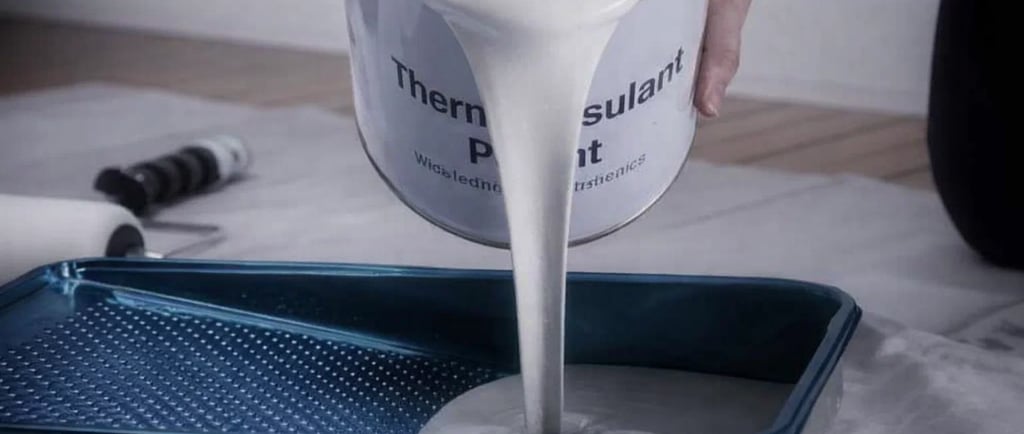
Ceramic insulation paint is a specialized coating formulated with ceramic particles that create a thermal barrier to enhance insulation properties.
This type of paint is designed to reflect heat instead of absorbing it, significantly improving energy efficiency in both residential and commercial settings. The unique composition of ceramic insulation paint incorporates tiny, hollow ceramic spheres or advanced polymers that serve to create an insulating layer. When applied, this paint acts similarly to how insulation materials function, providing a protective shield against temperature fluctuations.
One of the most significant advantages of ceramic insulation paint is its ability to improve the thermal efficiency of a surface without the additional weight or bulk of traditional insulation materials.
Unlike foam insulation paint or cork paint insulation, which may require thicker application and can alter the surface texture, ceramic insulation paint is lightweight, ideal for various surfaces, including masonry, wood, and metal. Furthermore, its smooth finish adds an aesthetic appeal while providing superior insulation.
Compared to foam insulation paint, which typically functions by trapping air pockets, ceramic insulation paint utilizes the unique thermal properties of ceramic materials to reflect radiant heat and regulate temperature more effectively.
On the other hand, cork paint insulation, known for its environmental friendliness and sound dampening properties, may not provide the same level of thermal insulation as ceramic-based solutions. While the initial cost of ceramic insulation paint may be higher, the long-term energy savings and durability often offset this investment, making it a worthwhile choice for many property owners.
Understanding the properties and benefits of ceramic insulation paint is crucial when considering temperature control solutions. Its innovative design combines functionality and aesthetics, making it a preferred option for those looking to enhance their space's energy efficiency while maintaining visual appeal.
How Microcapsules Enhance Insulation Performance
Microcapsules play a crucial role in enhancing the performance of insulation paints, particularly when combined with ceramic materials. The core technology behind microcapsules involves tiny particles that encapsulate thermal-regulating substances.
These microscopic capsules can contain various materials such as phase-change materials (PCMs) that are strategically released when temperatures fluctuate, providing an improved response to thermal changes. This mechanism not only aids in temperature regulation but also contributes to energy efficiency in buildings.
The unique structure of microcapsules allows them to exhibit significant thermal resistance when incorporated into insulation paints. Upon application, these microcapsules form a network that reflects and refracts heat, minimizing heat transfer into and out of the building.
The combination of ceramic insulation and microencapsulation presents a formidable barrier against thermal conductivity, surpassing the efficiency of traditional insulating paint additives. In comparison to conventional materials, microcapsules offer enhanced durability and longevity, ensuring that the insulation performance remains effective over time.
Additionally, the integration of microcapsules supports eco-friendly construction practices. By improving energy efficiency, buildings require less energy for heating and cooling, which translates to lower utility costs and reduced carbon footprints.
This aspect is particularly important as sustainability continues to be a pivotal focus in the construction industry. Furthermore, the lightweight nature of microcapsule technology does not compromise the structural integrity of the paint, thereby preserving aesthetic qualities while enhancing functionality.
In conclusion, the incorporation of microcapsules into ceramic insulation paints represents a significant advancement in thermal management technologies. Their ability to respond dynamically to environmental changes makes them an invaluable tool for improving insulation performance and energy efficiency in residential and commercial applications.
Comparing Technologies: Ceramic Insulation Paint vs. Other Insulating Options
Ceramic insulation paint has emerged as a popular choice in the realm of thermal insulation, but it is essential to understand how it compares to traditional insulating methods such as foam insulation paint and cork paint insulation. Each insulation option presents unique benefits and limitations, making it crucial for consumers to consider various factors before proceeding with a selection.
In terms of insulation effectiveness, ceramic insulation paint, enriched with microcapsules, provides a significant thermal barrier that reflects heat away in warmer conditions and retains heat in colder climates.
Foam insulation paint also offers a robust insulating capacity by creating an air-tight seal that minimizes conduction. Conversely, cork paint insulation, known for its environmentally friendly properties, provides adequate thermal resistance but may not match the performance levels of ceramic paint in extreme temperature scenarios.
Application methods vary considerably among these products. Ceramic insulation paint can be easily applied via spraying or rolling, similar to traditional paints, allowing for a straightforward implementation process. Foam insulation paint, however, often requires professional installation to ensure proper sealing and optimize performance.
On the other hand, cork paint insulation typically relies on a multi-layered application, which can be more labor-intensive and requires experienced handling to achieve the desired result.
Regarding costs, ceramic insulation paint is generally priced competitively, delivering excellent value when considering its long-term benefits. Foam insulation paint, while effective, may incur higher costs due to installation requirements.
Cork paint insulation can vary widely in price, influenced by quality and sourcing practices. However, it is crucial to factor in long-term performance, as ceramic insulation paint typically exhibits excellent durability and longevity, often outperforming its counterparts in maintaining thermal regulation.
Understanding these key differences can help in making an informed decision when selecting an insulation solution that meets specific needs.
Realistic Performance Expectations for Ceramic Insulation Paint
Ceramic insulation paint is often touted for its thermal performance and energy efficiency. However, understanding realistic performance expectations is essential for homeowners and industry professionals alike. One of the primary factors influencing the performance of ceramic insulation paint is the method of application.
Proper surface preparation, including cleaning and priming, can significantly affect adhesion and, consequently, thermal efficiency. When applied correctly, ceramic paints can create a barrier that reflects heat, thus improving indoor climate control.
Furthermore, environmental conditions play a vital role in the paint's effectiveness.
Temperature, humidity, and even the existing surface material can all contribute to how well the insulation paint performs. It is vital to consider these factors when selecting a product and to choose formulations designed for the specific conditions of the application environment. For instance, extreme temperatures or moisture-laden conditions may demand specialized ceramic insulation products to achieve the desired performance levels.
Misconceptions are prevalent regarding the effectiveness of ceramic insulation paint. Some individuals may believe that a simple application of ceramic paint alone can guarantee significant energy savings and temperature control.
While ceramic insulation paint can enhance thermal performance, it is not a stand-alone solution. It should be part of a comprehensive insulation strategy, including conventional insulation methods, to maximize energy efficiency in buildings.
Moreover, using insulation paint additives can also optimize results. These additives can improve the application characteristics and enhance the thermal properties of the paint. However, it is crucial to follow manufacturer guidelines to ensure compatibility and effectiveness.
In conclusion, while ceramic insulation paint presents exciting possibilities for energy efficiency, realistic assessment of its performance, proper application methods, environmental factors, and addressing common misconceptions will lead to the best results.
ConforX
Personalized interior painting and thermal imaging services in Valencia, Spain
Phone / WhatsApp
Interior Painting
Wall Surface Preparation & Minor Repairs
Thermal Imaging Inspections
© 2026. ConfortX . All rights reserved.
SERVICES
info@conforx.es
+34 692525330
QUICK LINKS
LEGAL