The Ultimate Guide to Insulating Paint for Metal, Floors & Special Surfaces
Insulating paint for metal and special surfaces explained, including preparation, safety considerations, and common residential applications.
THERMAL IMAGING & PREVENTION
1/22/20264 min read
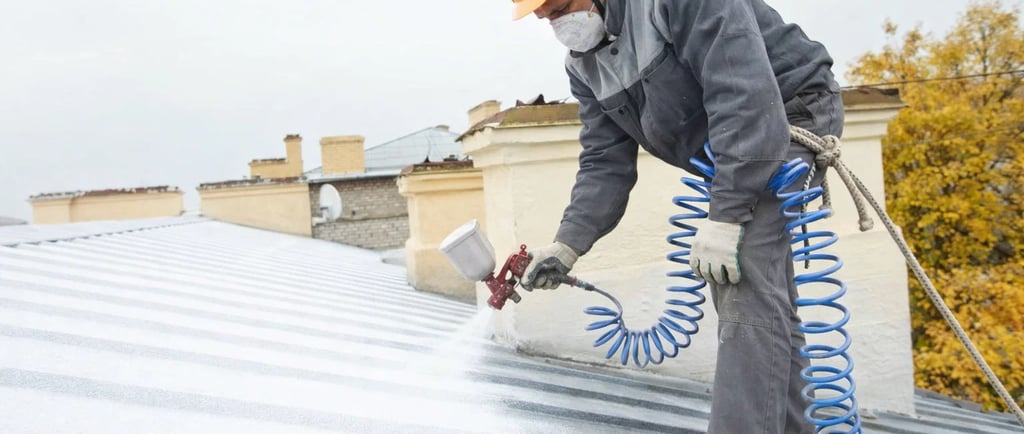
Understanding Insulating Paint for Metal
Insulating paint for metal is a specialized coating designed to enhance the thermal resistance of metal surfaces, thereby improving energy efficiency.
This type of paint is formulated to prevent heat transfer, making it an excellent choice for various applications, including industrial, commercial, and residential settings. The unique properties of insulating paint allow it to provide temperature regulation, protecting metal structures from extreme temperatures and minimizing thermal loss.
One of the standout benefits of using insulation paint for metal is its ability to reduce energy consumption. By maintaining optimal temperatures, insulating paint minimizes the need for heating and cooling systems to work excessively.
This not only contributes to lower energy bills but also significantly decreases the carbon footprint associated with energy use. Additionally, insulating paint acts as a barrier against corrosion, which is particularly beneficial for metal surfaces exposed to moisture and harsh environmental conditions.
Moreover, it is essential to differentiate insulating paint designed for electrical insulation from standard insulating paints. Electrical insulation paint is specifically engineered for use on electric components, while traditional insulating paints are intended for general thermal insulation purposes. The safety specifications of electrical insulation paint include higher resistance to electrical currents and a higher dielectric strength, ensuring that these coatings are reliable in preventing electrical hazards.
In conclusion, insulating paint for metal presents a practical solution for enhancing energy efficiency, regulating temperatures, and protecting against corrosion, making it a valuable investment for various applications. Its unique properties distinguish it from standard paints, particularly when considering its suitability for metal surfaces and safety specifications for electrical applications.
Preparation and Application Requirements
Proper preparation and application techniques are paramount when using insulating paint on metal, floors, or other special surfaces. The first step involves cleaning the substrate thoroughly. Any dirt, dust, grease, or previous coatings must be removed to ensure optimal adhesion of the insulating paint.
Depending on the surface type, tools such as wire brushes, scrapers, and high-pressure cleaners may be necessary. For especially stubborn residues, chemical solvents might be considered, but must be used with caution.
After cleaning, priming the surface is essential, especially for metal substrates, which are prone to rust. The use of a compatible primer can greatly enhance the bonding ability of the insulating paint and improve its overall performance. In situations where bare metal is present, an anti-corrosive primer should be applied first to protect the surface from moisture and oxidation.
Ensuring that the substrate is in optimal condition also involves checking for any defects or irregularities that need to be addressed before the application. Filling in cracks or holes with appropriate fillers will create a smooth surface for the insulating paint. Once repairs are made, sanding the surface can further enhance adhesion.
When applying insulating floor paint or electrical insulating paint, several factors must be considered, including ambient temperature and humidity levels.
Ideally, the temperature should be above 50°F (10°C) and below 90°F (32°C) with relative humidity not exceeding 85% to ensure proper drying and curing of the paint. Proper application techniques, including using roller brushes for wide areas and brushes for intricate details, will contribute to a uniform insulation layer.
Allowing adequate drying time between coats is crucial for achieving the desired level of insulation.
Common Applications of Insulating Paint
Insulating paint serves a multitude of purposes across various settings, making it an invaluable product for both residential and commercial use.
One of the most common applications of insulating paint occurs within residential homes, where it is often used on metal pipes and surfaces to minimize heat loss, thus enhancing energy efficiency. In these applications, insulating paint helps maintain desired temperatures, keeping heating costs down during colder months.
In commercial settings, insulating paint finds its way into diverse facilities, particularly in HVAC systems. Painted ducts not only prevent heat loss but also contribute to a more balanced temperature throughout the building, leading to increased comfort for occupants. Additionally, water tanks benefit significantly from insulating paint, as it reduces heat exchange, which is essential for maintaining the temperature of stored liquids.
Industrial applications are another prominent area for insulating paint use. Metal frameworks and structural components in factories are often coated with this specialized paint to safeguard against extreme temperature variations and condensation. This not only prolongs the lifespan of machinery but also enhances overall safety within the industrial environment.
Moreover, electrical insulating paint plays a vital role in ensuring safety during electrical installations. It is particularly useful for protecting electrical components, preventing short circuits, and offering a barrier against moisture. Applications can include any scenario where wires and other electrical elements may be exposed to harsh environments.
Finally, insulating floor paint is essential in areas subject to significant thermal fluctuations, such as warehouses and workshops. It helps improve energy efficiency and safety by reducing slips and falls associated with temperature-induced condensation on floors.
Such applications illustrate the versatile nature of insulating paint as a critical component in enhancing insulation across various surfaces and environments.
Safety Considerations and Best Practices
When working with insulating paint, it is crucial to prioritize safety to mitigate any potential health risks associated with chemicals. Personal protective equipment (PPE) is essential.
Protective gloves, goggles, and suitable masks or respirators should be worn at all times during application. These elements of PPE help shield against skin contact and inhalation of harmful fumes, which can lead to short-term or long-term health issues.
Proper ventilation is another key aspect of safety when using insulating paints. Adequate airflow reduces the concentration of vapors in the atmosphere, making it safer for those applying the paint and for anyone nearby. Ideally, work should be conducted in a well-ventilated area, such as an open space or using exhaust fans to expel fumes. It is advisable to avoid working in enclosed or poorly ventilated rooms, as this can heighten exposure risks.
Handling procedures also play a vital role in ensuring safety. Insulating paint containers should be stored in a cool, dry place away from direct sunlight and heat sources. This practice minimizes the risk of fire and prolongs the life of the paint.
Additionally, care should be taken to follow the manufacturer's guidelines regarding mixing and application. Disposing of any leftover paint and cleaning materials properly is essential to prevent environmental contamination; local regulations should be consulted to ensure compliance with disposal methods.
In recent years, eco-friendly options have emerged within the insulating paint market. Many manufacturers now offer products with lower VOC (volatile organic compounds) levels, which are less harmful to both the user and the environment.
Choosing such paints not only contributes to better indoor air quality but also aligns with regulations aimed at reducing chemical pollutants. Embracing responsible usage of insulating paints promotes safety and sustainability, ensuring the well-being of both users and the environment.
ConforX
Personalized interior painting and thermal imaging services in Valencia, Spain
Phone / WhatsApp
Interior Painting
Wall Surface Preparation & Minor Repairs
Thermal Imaging Inspections
© 2026. ConfortX . All rights reserved.
SERVICES
info@conforx.es
+34 692525330
QUICK LINKS
LEGAL