Aerogel Paints for Interior Walls: Pros & Cons
Aerogel paint explained for interior walls: how it works, key advantages, limitations, and when aerogel-based insulating paints make sense
THERMAL IMAGING & PREVENTION
1/22/20264 min read
Introduction to Aerogel Paint
Aerogel is a remarkable material that is known for its low density and high thermal resistance.
Often referred to as "frozen smoke," aerogels are composed of up to 99.8% air, resulting in an incredibly lightweight substance that retains significant strength and insulation properties.
The creation of aerogels involves a meticulous process known as supercritical drying, which allows the liquid component of a gel to be removed while preserving its structure. This unique production technique imparts aerogels with distinct characteristics that make them suitable for various applications, ranging from aerospace engineering to construction and beyond.
Aerogel technology has gradually found its way into other domains, including the formulation of paints. Aerogel paint is an innovative approach to enhancing insulation properties in interior wall applications.
Unlike traditional paints, which primarily serve aesthetic functions, aerogel paint combines the visual benefits of color and finish with superior thermal insulation characteristics. This paint effectively creates a barrier that reduces heat transfer, making it an appealing solution for improving energy efficiency in homes and buildings.
The incorporation of aerogels into paint formulations also addresses several challenges faced by conventional insulation materials. For instance, aerogel paint is typically thinner and lighter, facilitating ease of application without compromising space.
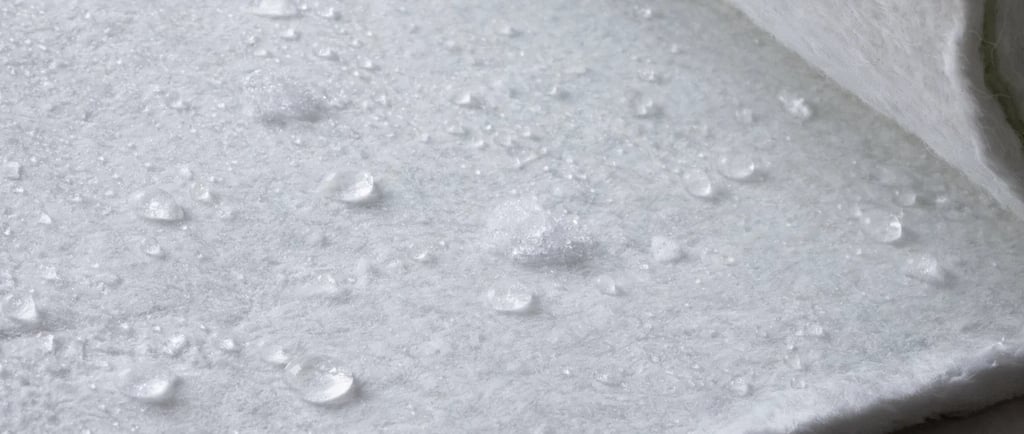
Additionally, because aerogel is highly hydrophobic, it provides increased resistance to moisture, thereby enhancing longevity and performance. The transition to aerogel paint signifies not merely a shift in materials but an evolution in how we can approach insulation in interior spaces.
Understanding the foundational principles of aerogels and their unique properties is crucial for evaluating their advantages in the context of interior wall applications. As we explore the various pros and cons of aerogel paint throughout this blog post, it will become evident how these extraordinary materials can potentially transform our living environments.
How Aerogel Paint Works
Aerogel paint is a groundbreaking innovation in the realm of thermal insulation for interior walls. Its formulation incorporates aerogel particles, which are known for their exceptional thermal properties.
This paint acts as an insulating material by creating a layer of air pockets, trapped within the gel-like structure of the aerogel. These tiny air-filled voids significantly reduce heat transfer, effectively maintaining a stable indoor temperature regardless of external weather conditions.
When applied to surfaces, aerogel paint forms a thin but effective barrier that adheres seamlessly to various substrates, including drywall, concrete, and wood. This application method is crucial as it allows the aerogel to interact directly with the wall surface, enhancing its insulating capabilities. The application results in a consistent layer that not only provides thermal resistance but also contributes to energy efficiency in homes.
In terms of thermal efficiency, aerogel paint is an excellent alternative to conventional thermal paints and insulation methods. While traditional insulation materials such as fiberglass and foam board are bulky and often require significant space, aerogel paint offers the same level of insulation in a much thinner layer. This aspect is particularly advantageous in residential settings where maximizing space is often a priority.
Furthermore, the lightweight nature of aerogel minimizes the structural burden on walls, making it an ideal choice for various applications.
Additionally, the unique composition of aerogel allows it to outperform conventional materials in terms of thermal conductivity. The ability to minimize heat transfer and enhance energy efficiency makes aerogel paint a superior option for wall insulation.
By utilizing aerogel paint, homeowners can enjoy a more comfortable living environment while potentially reducing energy costs associated with heating and cooling.
Advantages of Aerogel Paint
Aerogel paints offer remarkable advantages for interior walls, positioning them as an innovative option for enhancing residential and commercial spaces.
One of the foremost benefits is thermal efficiency. These paints leverage aerogel's unique properties, which provide outstanding insulation without the bulkiness typical of traditional materials. Homeowners seeking to reduce heating and cooling costs can significantly benefit from applying aerogel paint, as it helps maintain stable indoor temperatures.
Moreover, aerogel paint can be applied in a very thin layer while still maintaining excellent insulating properties. This characteristic is particularly beneficial in situations where space is limited, allowing for energy-efficient solutions without compromising on aesthetics or usable wall space.
For example, whether renovating a small apartment or upgrading the insulation of an office, aerogel paint can provide effective thermal protection without the need for bulky wall solutions.
Another noteworthy advantage is the moisture management capability of aerogel. These paints are designed to be hydrophobic, which means they repel water, making them excellent for high-humidity environments. Applications such as kitchens, bathrooms, and areas prone to condensation see significant improvements when aerogel paint is used. The paint's ability to regulate moisture not only prevents mold growth but also enhances the longevity of the painted surfaces.
Overall, the blend of thermal efficiency, minimal application thickness, and effective moisture management makes aerogel paints an attractive option for a wide range of settings, addressing modern building challenges while ensuring a stylish finish. Whether used in new constructions or renovation projects, aerogel paint stands out as a powerful tool for contemporary interior design and energy efficiency.
Disadvantages and Limitations of Aerogel Paint
Aerogel paints are increasingly recognized for their remarkable insulating properties and innovative formulation, yet it is essential to examine the disadvantages and limitations associated with their use.
One significant drawback of aerogel paint is its relatively high cost compared to conventional paints. The advanced materials and technologies involved in the production of aerogel contribute to a price point that is often beyond the budget of many homeowners and professionals, which can deter widespread adoption.
In addition to financial considerations, availability also presents a challenge. Aerogel paints are not as widely available as traditional paint options, and sourcing them may require more effort and time.
Home improvement stores and local suppliers may stock traditional paint brands but often lack the inventory or knowledge to provide aerogel options. This may necessitate online purchases or special orders, leading to longer lead times before one can initiate a painting project.
Furthermore, application limitations pose another concern. Aerogel paint may require specific preparation, techniques, or conditions that differ from standard paints. These requirements can complicate the painting process, especially for DIY enthusiasts who are accustomed to straightforward painting applications. There could also be restrictions in terms of surfaces that aerogel paint can adhere to effectively. Such restrictions can reduce the versatility of aerogel in various settings.
As such, it is crucial for potential users to maintain realistic expectations when considering aerogel paints. Despite their advantages, it is clear that the drawbacks, including higher costs, sourcing difficulties, and application complexities, can significantly influence the decision-making process.
Understanding these factors will help customers make informed choices about incorporating aerogel paint into their interior design projects.
ConforX
Personalized interior painting and thermal imaging services in Valencia, Spain
Phone / WhatsApp
Interior Painting
Wall Surface Preparation & Minor Repairs
Thermal Imaging Inspections
© 2026. ConfortX . All rights reserved.
SERVICES
info@conforx.es
+34 692525330
QUICK LINKS
LEGAL