Guide to Interior Painting: Key Considerations for Homeowners
HOMEOWNERS
1/20/20264 min read
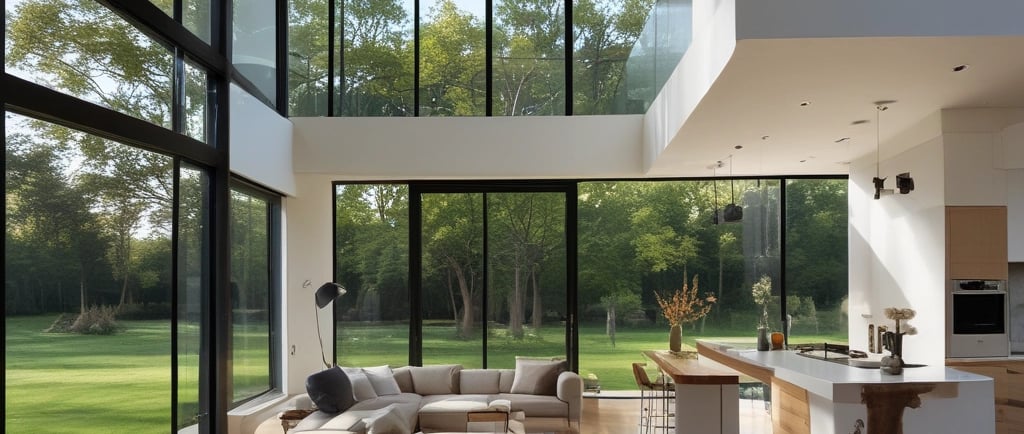
Understanding Your Space: Factors to Consider Before Repainting
As homeowners embark on the journey of interior painting, several critical factors should be assessed to ensure a successful outcome.
First and foremost, it is essential to evaluate the purpose of each room. Consider whether the space is intended for relaxation, productivity, or social gatherings. For example, tranquil hues may work well in bedrooms and reading nooks, while vibrant shades could energize a home office or playroom. By understanding the primary function of each area, homeowners can select colors that align with the intended ambiance.
Color psychology plays a pivotal role in this selection process. Different colors evoke distinct emotions and responses; for instance, blues and greens can promote calmness, whereas yellows and oranges may increase energy levels. As such, it is advisable to consider how various shades affect mood and behavior within the home. Homeowners can consult color wheels or psychological resources to better understand the expansive effects of color on human emotions.
Lighting is another factor that significantly influences paint choices. Natural light can alter the perceived color of paints, making them appear lighter or darker depending on the time of day. Additionally, artificial lighting—such as warm or cool bulbs—can also impact how colors are perceived in a space. Before selecting paint, it is advisable to observe the room under different lighting conditions throughout the day to ensure the chosen hues align with visual and emotional expectations.
Furthermore, the age of the building may also dictate the need for particular paint types or preparation methods. Older homes may possess unique architectural features that should be accentuated or preserved during the repainting process. Existing decor and furniture should also be considered, as paint colors should complement rather than clash with these elements, creating a cohesive visual story throughout the home.
The Importance of Wall Condition and Surface Preparation
Achieving a professional-looking paint job is heavily dependent on the condition of the walls and the thoroughness of surface preparation.
Before embarking on any painting project, it is essential to assess the current state of the walls. This involves checking for various imperfections, including blemishes, stains, or peeling paint, all of which can significantly affect the final outcome. Wall imperfections may not only be visually unappealing but can also lead to issues with paint adherence, ultimately compromising the durability and longevity of the finish.
To begin with, thoroughly inspecting the walls for any signs of damage is crucial. Look for small cracks, holes, or other irregularities that need to be addressed. Stains from water damage or mildew can also impact the paint’s ability to adhere properly, making it imperative to perform remedial actions before applying new paint. In cases of peeling paint, it is important to remove any loose materials and smooth out the surface to ensure a good bond with the new coat.
Once the condition of the walls has been assessed and necessary repairs made, the next step is proper surface preparation. This step often involves cleaning the walls to remove dust, grease, and other contaminants that could hinder paint adhesion. Sanding the walls is vital to create a smoother surface, and it often helps to fill in small cracks and imperfections with spackle or filler.
Finally, priming the walls is an important step that can enhance the paint's finish and help mitigate issues stemming from stains or old paint layers. By ensuring that the walls are in optimal condition and properly prepared, homeowners can greatly increase their chances of achieving a stunning and professional-looking paint job.
Effects of Humidity and Condensation on Interior Walls
Humidity and condensation are crucial factors that can significantly affect the integrity of interior walls.
When moisture levels are high, the air can hold more water vapor, leading to potential issues in the home environment. This elevated moisture can result in condensation forming on cold surfaces, which ultimately can damage paint and the structure of walls over time.
One of the primary concerns associated with high humidity is the growth of mold. Mold thrives in damp environments, and it can lead to serious health concerns and costly repairs. When mold colonizes on interior walls, it may cause paint to peel or blister, detracting from the appearance of the home and potentially leading to structural damage. Thus, it is essential for homeowners to monitor indoor moisture levels consistently.
To prevent the detrimental effects of humidity, several strategies can be employed.
Proper ventilation of rooms, particularly those prone to moisture such as bathrooms and kitchens, is crucial. Installing exhaust fans can help to efficiently remove humid air, thus maintaining a stable indoor environment. Besides, using dehumidifiers can further assist in regulating humidity levels, particularly in areas that are more susceptible to dampness.
Before repainting, it is imperative to ensure walls are dry and free of mold or mildew. Thoroughly inspecting the areas and possibly applying a mold-resistant primer can help mitigate future issues. After painting, continued vigilance is necessary; maintaining adequate ventilation and humidity control will assist in preserving the integrity of freshly painted walls.
By understanding and managing humidity and condensation, homeowners can protect their interior walls, enhancing both aesthetics and durability.
Climate Considerations: The Influence of Mediterranean Weather on Interior Painting
The Mediterranean climate, characterized by hot, dry summers and mild, wet winters, has a significant impact on the process and outcomes of interior painting.
Homeowners in regions such as Valencia must adapt their painting strategies to account for the environmental conditions that can influence both the choice of materials and the timing of home improvement projects. Temperature variations throughout the year can affect paint drying times and adherence. During the summer months, high temperatures can lead to rapid evaporation of moisture in paints, potentially resulting in improper bonding and finish quality.
Additionally, the exposure to salt air in coastal areas such as Valencia can pose a challenge for the longevity of paint used indoors. Saline environments can accelerate the deterioration of paint, causing issues like peeling or fading over time. Homeowners are advised to opt for paints specifically designed to resist moisture and salt, enhancing the durability of their interiors.
Utilizing high-quality latex or acrylic paints, which are better at withstanding the local climate, is often recommended.
Humid conditions, commonly experienced in the winter months, can also affect painting projects. High humidity levels can prolong the drying process and may lead to uneven finishes. To mitigate these effects, it is best to schedule painting projects when the humidity is lower, such as during the transitional months of spring and autumn.
By carefully planning and choosing appropriate materials, homeowners can ensure that their interior painting projects not only meet aesthetic expectations but also endure the influences of the Mediterranean climate.
ConforX
Personalized interior painting and thermal imaging services in Valencia, Spain
Phone / WhatsApp
Interior Painting
Wall Surface Preparation & Minor Repairs
Thermal Imaging Inspections
© 2026. ConfortX . All rights reserved.
SERVICES
info@conforx.es
+34 692525330
QUICK LINKS
LEGAL